

Farewell Tawaf, known in Arabic as Tawaf al-Wada, is a circumambulation of the Kaaba associated with a pilgrim’s departure from Makkah after Hajj. Its name means “Farewell Tawaf.” Pilgrims who perform it circle the Kaaba seven times as a final act before leaving the city.
Visitors preparing for Umrah may have questions about whether to include this tawaf and how it is carried out. The practice is discussed mainly in connection with Hajj, while individual religious questions can depend on a pilgrim’s circumstances. This guide explains the common steps and distinguishes Tawaf al-Wada from Tawaf al-Qudum, the arrival tawaf linked with some Hajj journeys.
The tawaf takes place at Masjid al-Haram, around the Kaaba. Pilgrims move counterclockwise and may use the circuits for reflection, personal prayers and gratitude. Allow time to reach the mosque, complete the seven circuits and continue with departure arrangements. The sections below outline the meaning, timing and practical details of the farewell tawaf.
What Is the Farewell Tawaf in Hajj?
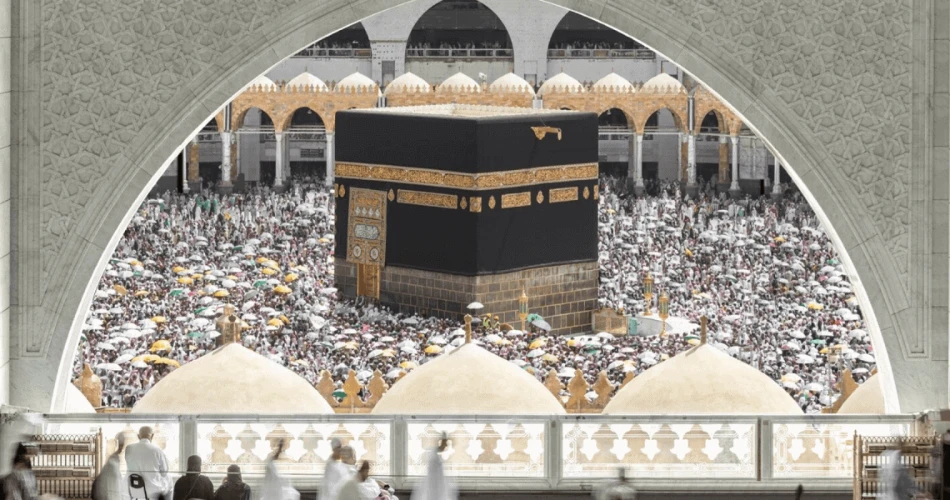
Tawaf al-Wada is a farewell circumambulation around the Kaaba, connected with a pilgrim’s departure from Makkah after Hajj. The pilgrim completes seven circuits as a final act before leaving. The linked Hajj guide provides further context for visitors planning their pilgrimage.
Narrations in Sahih al-Bukhari and Sahih Muslim describe pilgrims being instructed to make their final act in Makkah a circumambulation of the Kaaba. They also mention an exception for menstruating women. These narrations are commonly referred to in discussions of the farewell tawaf, but personal religious questions are best addressed with a trusted scholar.
In practical terms, pilgrims who carry out Tawaf al-Wada complete seven circuits around the Kaaba before leaving Makkah. It is distinct from tawafs performed at other stages of Hajj. Allow enough time to reach Masjid al-Haram, complete the circuits at a steady pace and leave the mosque without rushing.
The farewell tawaf is discussed mainly in connection with Hajj. Anyone undertaking Umrah who is unsure whether to include it may seek guidance from a trusted scholar. Departure plans and personal needs can affect when a visit to the mosque is possible, so consider them when planning the final part of a stay in Makkah.
Tawaf Al-Qudum
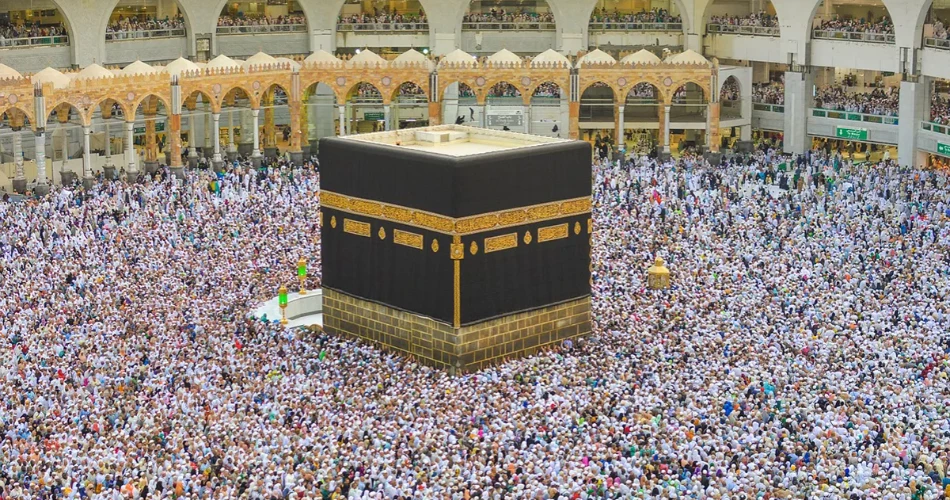
Tawaf al-Qudum, or the “Arrival Tawaf,” is associated with pilgrims arriving at Masjid al-Haram for Hajj al-Ifrad or Hajj al-Qiran. It takes place near the beginning of the pilgrimage, unlike Tawaf al-Wada, which is linked with departure. The names describe tawafs at different stages of a Hajj journey.
Descriptions of Tawaf al-Qudum include Ihram, Idtiba and Raml for men. Idtiba means leaving the right shoulder uncovered, while Raml refers to walking briskly during the first three circuits. These details relate to the arrival tawaf, not the farewell tawaf. Pilgrims performing Hajj al-Tamattu begin with Umrah and do not perform Tawaf al-Qudum.
This distinction is useful when reading guidance about Hajj. A movement or clothing practice described for Tawaf al-Qudum does not automatically apply to Tawaf al-Wada. The farewell tawaf is performed near departure, while the arrival tawaf is associated with the start of certain Hajj journeys. For personal guidance about the rites, speak with a knowledgeable guide or scholar.
Meaning of Tawaf Al-Wada
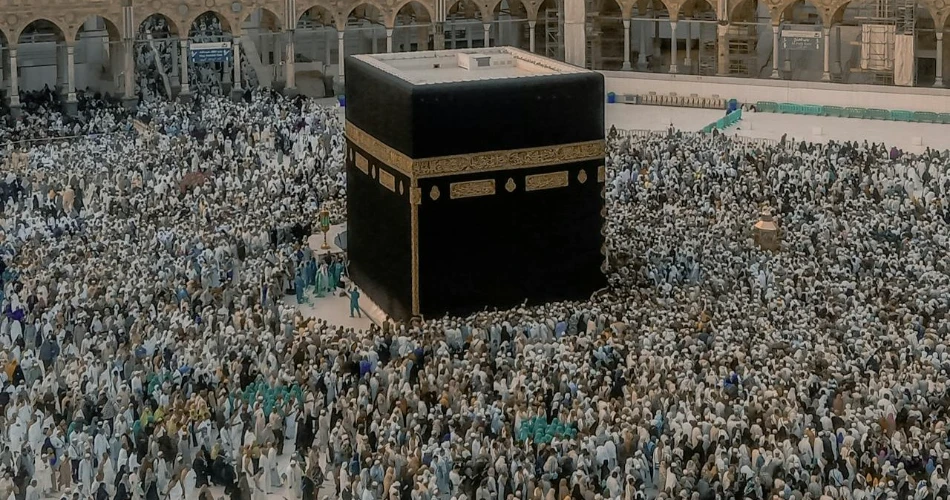
Tawaf al-Wada means the farewell circumambulation. It describes a pilgrim’s final tawaf around the Kaaba before departure from Makkah after Hajj. The seven circuits provide a final opportunity to be near the Kaaba, reflect on time at Masjid al-Haram and offer personal prayers.
A narration attributed to Sayyiduna Ibn Abbas (may Allah be pleased with him) reports that the Prophet Muhammad ﷺ instructed pilgrims to make circumambulation of the House their last act before leaving. The narration also describes an exception for menstruating women. These accounts explain the association between the farewell tawaf and departure from Makkah.
Religious discussions of the practice include questions about who performs it and how personal circumstances may affect plans. This travel guide does not give a ruling. Pilgrims seeking an answer suited to an individual situation may ask a trusted scholar rather than rely on a general overview.
For visitors, the practical meaning is that this tawaf is connected with taking leave of the Kaaba. It is not the arrival tawaf and is distinct from circumambulations performed at other stages of Hajj. Allow time to complete the seven circuits at a steady pace and leave the mosque without rushing.
The narration about menstruating women is also part of the discussion. It records that they were permitted to leave without waiting to perform the farewell tawaf. Anyone seeking guidance about this personal matter may consult a trusted scholar. Travel arrangements and religious questions are separate considerations, and an individual answer may depend on the circumstances.
Is Tawaf al-Wida Obligatory?
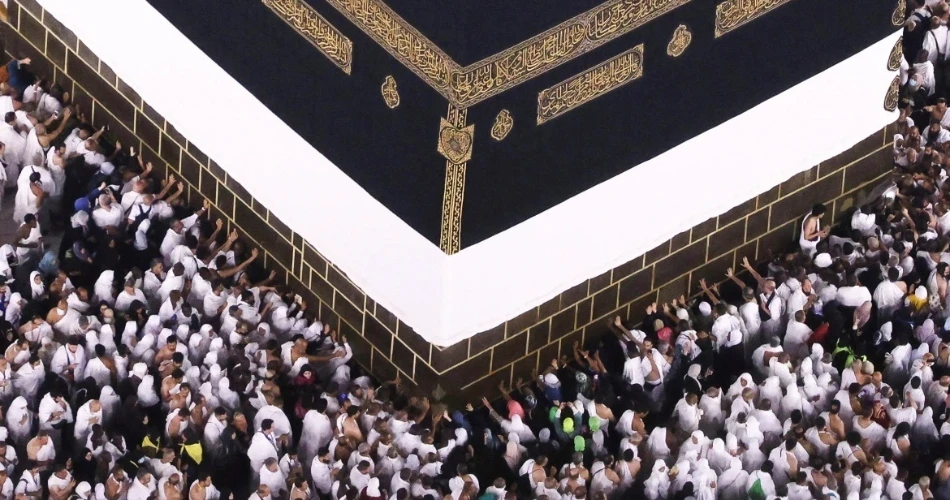
Questions about Farewell Tawaf for Umrah or Hajj involve religious rulings and may depend on a pilgrim’s circumstances. The accounts discussed here connect Tawaf al-Wada with departure after Hajj. This overview does not determine who should perform it in a particular situation.
If you are completing Umrah and are uncertain whether to include a farewell tawaf, ask a trusted scholar for guidance. The same applies when departure timing, health or other personal circumstances affect your plans. A general travel guide cannot replace advice that takes the details of an individual situation into account.
For pilgrims who carry out the tawaf, it marks a final visit to the Kaaba before leaving Makkah. Plan around the practical demands of departure, while leaving enough time to complete the circuits and exit Masjid al-Haram calmly. The time needed for the visit can vary with each person’s plans and pace.
What is the Importance of Tawaf al-Wida?
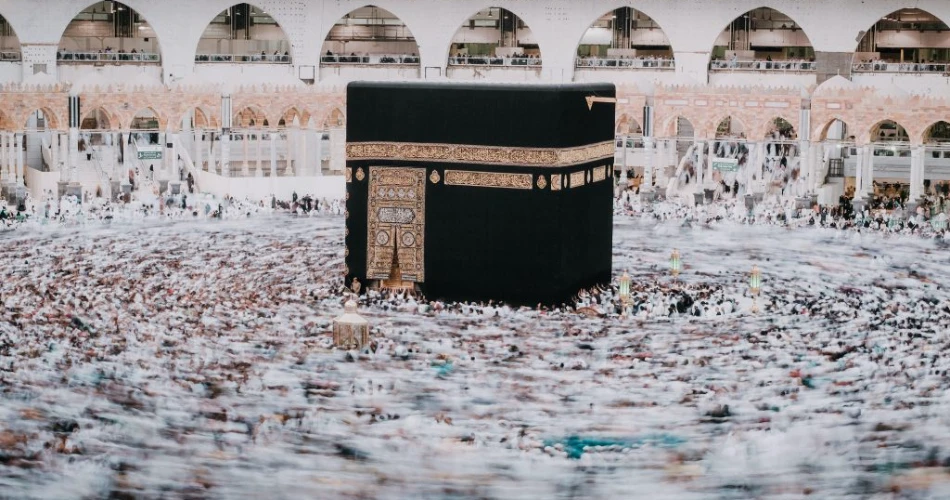
For many pilgrims, Tawaf al-Wada is a meaningful way to conclude their time at Masjid al-Haram. The final circuits provide space for gratitude, personal prayers and reflection before leaving Makkah. Each pilgrim may experience this farewell in a different way.
The tawaf brings the visit back to the Kaaba, at the centre of Masjid al-Haram. Pilgrims circle it seven times, focusing on worship and making prayers in their own words. This guide does not prescribe a particular set of words to recite.
Planning can leave more room for concentration during the visit. Consider the time needed to reach the mosque, complete the circuits and continue with departure arrangements. Keeping the farewell tawaf distinct from other tawafs also clarifies their different places in the pilgrimage.
When Should Tawaf Al-Wida Be Performed?
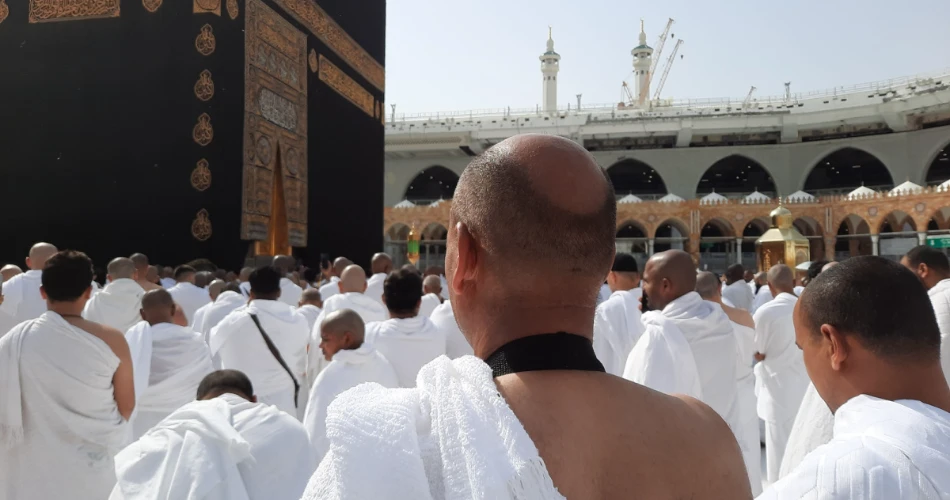
Tawaf al-Wada is associated with the point when a pilgrim is preparing to leave Makkah after Hajj. Pilgrims commonly plan it near departure as a final circumambulation of the Kaaba. Travel arrangements and personal circumstances can affect the timing.
Allow enough time for the visit rather than leaving the circuits until the last moment. Account for reaching Masjid al-Haram, completing seven circuits at a manageable pace and making your way out. Conditions and the time needed can vary, so each visit may require a different amount of time.
If a delay or change of plans makes it difficult to carry out the tawaf close to departure, seek religious guidance about your circumstances. Advice may depend on the reason and details of the situation. Some flexibility in travel plans can make it easier to manage an unexpected change.
Performing the Tawaf Al-Wida
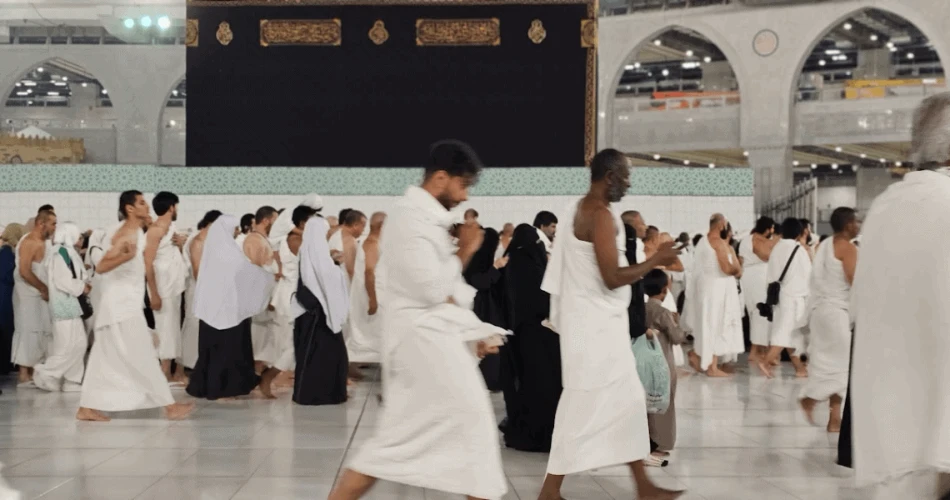
The steps below provide a practical overview of how pilgrims carry out Tawaf al-Wada. They describe movement around the Kaaba and the seven circuits, without prescribing a set prayer or giving a religious ruling.
Enter the mosque
Enter Masjid al-Haram through an entrance that suits your route and proceed towards the Kaaba. Follow directions inside the mosque and take care in crowded areas. Moving calmly makes it easier to keep pace with the people around you.
Prepare for the tawaf
Make your intention for the farewell tawaf. Pilgrims may prepare for prayer and worship before setting out. Anyone with a question about ritual preparation may seek guidance from a trusted scholar. Leave time to reach the area around the Kaaba before beginning.
Begin near the Kaaba
Start the tawaf facing the Kaaba, then move counterclockwise around it. Pilgrims may raise their hands and say “Bismillah, Allahu Akbar” as they begin a circuit. This phrase appears in descriptions of tawaf, but this guide does not give a ruling about it.
Complete seven circuits
Continue around the Kaaba until you have completed seven circuits. Keep a steady pace and pay attention to the people around you. If the area is crowded, move with the flow of pilgrims rather than pushing through. A measured approach helps keep movement orderly and leaves room to focus on the tawaf.
Make prayers
During the circuits, pilgrims may make personal prayers, ask Allah for forgiveness or offer thanks in their own words. This guide does not prescribe a set text for the tawaf. Be considerate of others as you move around the Kaaba.
Finish the tawaf
After completing the seventh circuit, the farewell tawaf is complete. Pilgrims then continue with their departure plans. Descriptions of Tawaf al-Wada do not include another Sa’i afterward. Idtiba and Raml are practices associated with Tawaf al-Qudum, not the farewell tawaf described here.
Note: Leave time to enter and exit Masjid al-Haram when coordinating the visit with onward travel. For personal questions about the rites or your circumstances, consult a trusted scholar.