
Makkah’s history is closely connected with Hajj and Umrah. Visitors will find mosques, hills and other places associated with Islamic history, both within Masjid al-Haram and beyond it. Some are linked with pilgrimage practices, while others are remembered for events in the life of the Muslim community.
Masjid al-Haram contains the Kaaba, which Muslims face in prayer. Nearby, Safa and Marwa are associated with the account of Hajar seeking water for her son Ismail (peace be upon him). Zamzam is also connected with this account. Mina and the plain of Arafat have important associations with Hajj.
This guide introduces historical sites in Makkah and their connections with pilgrimage and Islamic history. It covers places inside the Grand Mosque as well as sites beyond it, including Jabal Thawr. For mountain visits, take the terrain into account and consider how much walking is manageable.
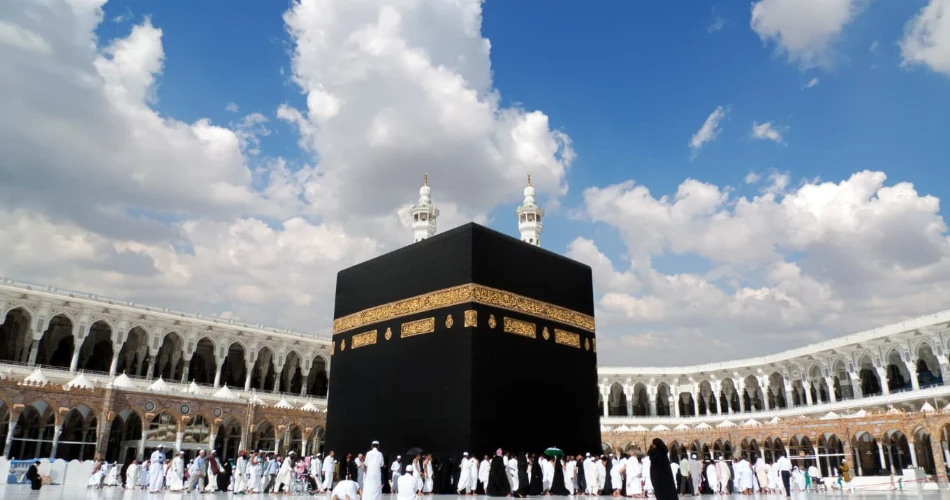
Masjid Al-Haram
0.1 km from Masjid al-Haram · 3.2 km from Makkah Museum
DirectionsMasjid al-Haram, also called the Grand Mosque, is in central Makkah and contains the Kaaba. Muslims face the Kaaba in prayer. The mosque’s courtyards and facilities have been expanded over time to serve increasing numbers of worshippers and pilgrims.
The mosque began as an open area around the Kaaba. During the rule of Sayyiduna Umar (may Allah be pleased with him), a growing congregation prompted the addition of a low boundary wall.
Further expansion followed under Sayyiduna Uthman (may Allah be pleased with him). Later work included multiple floors and changes to the Mataf and the Mas'a. The Mataf is the marble-paved courtyard around the Kaaba, where circumambulation takes place.
During Umrah, pilgrims perform Tawaf by circling the Kaaba. The Grand Mosque is suitable for visitors of all ages, though moving between its areas can take time. Follow signs inside the mosque, and allow room for worshippers moving around you. The mosque’s central location also makes it a useful reference point when visiting nearby sites.
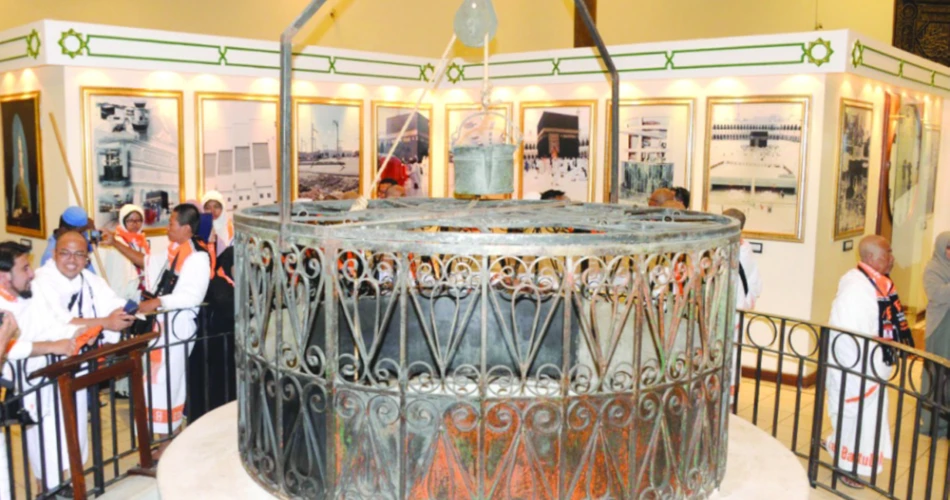
Well Of Zamzam
0.1 km from Masjid al-Haram · 3.3 km from Makkah Museum
DirectionsZamzam is a well east of the Kaaba, within Masjid al-Haram. Islamic tradition connects its origin with Hajar and Ismail (peace be upon him). In the account, Hajar sought water for her son, and Zamzam appeared near the Kaaba. This story is part of the religious tradition associated with the mosque.
Zamzam water is supplied through drinking stations and containers across the mosque and surrounding plazas. The well opening is covered, leaving space in the Mataf for people performing Tawaf. Visitors generally encounter the water at the stations rather than at an open well. When taking water, leave space for others to reach the stations and continue through the mosque.
The well forms part of the wider Grand Mosque, which has been enlarged in successive periods. Its courtyards and facilities have changed over time to serve worshippers and pilgrims. Visitors can find Zamzam water while allowing room for prayer and movement around the Kaaba.
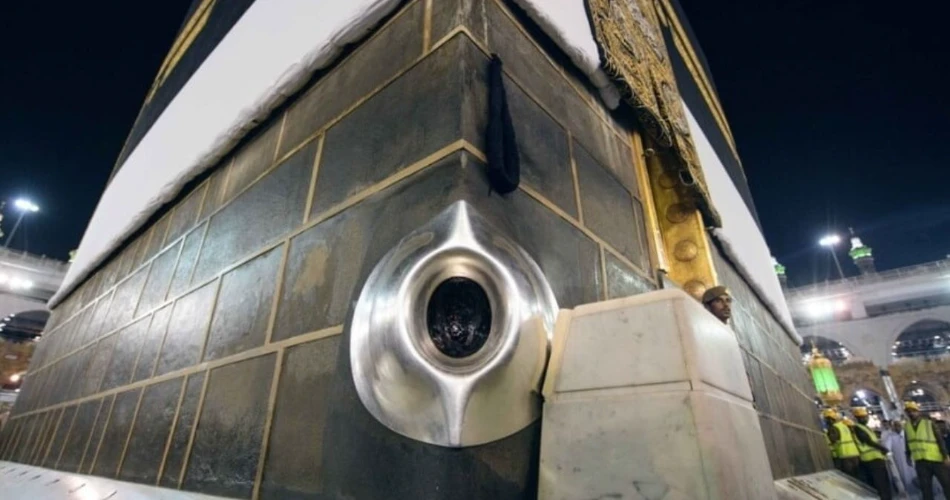
The Black Stone
Hajar al-Aswad, the Black Stone, is set into the eastern corner of the Kaaba. It is associated with Tawaf, which pilgrims perform around the Kaaba in the Mataf. Pilgrims may touch or kiss the stone, or gesture towards it when they cannot reach it.
Space around the Kaaba may be limited when many worshippers are present. Take care not to push or obstruct others while passing the corner. The Kaaba remains the centre of Tawaf, and the Black Stone is one of its distinctive features.
Safa And Marwa
0.3 km from Masjid al-Haram · 3.2 km from Makkah Museum
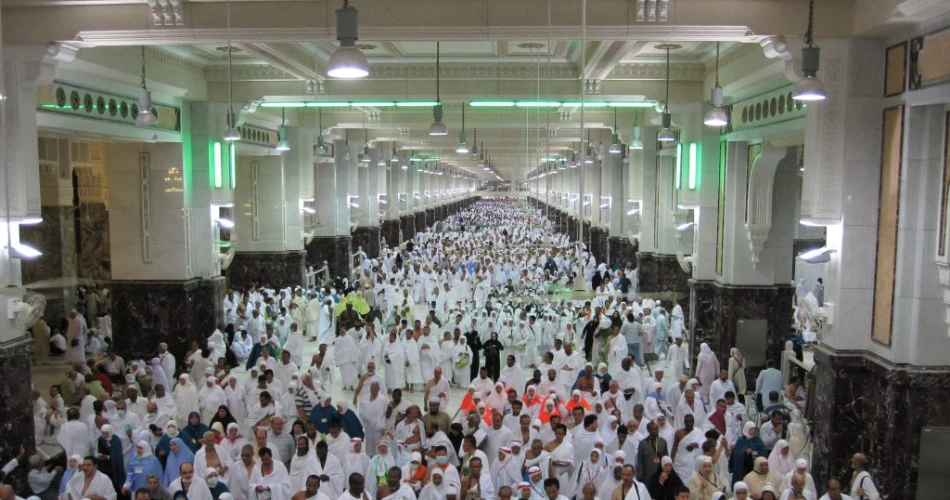
DirectionsSafa and Marwa are two small hills on the eastern side of Masjid al-Haram. The route between them is called the Mas'a and is incorporated into the mosque. Safa and Marwa are about 0.3 km from Masjid al-Haram in a straight line; this is not the distance of the route between the hills.
The route is linked with the account of Hajar travelling between the hills while seeking water for Ismail (peace be upon him). In this tradition, Zamzam appeared near the Kaaba. Pilgrims walk between Safa and Marwa during Hajj and Umrah, following the indoor route within the mosque.
The Mas'a has multiple levels, routes and corridors, including routes intended for older visitors and people with disabilities. Gathering areas are near both hills.
Signs help visitors find their way between the levels and exits, so allow time to locate the route that suits your needs. The covered, enclosed setting is different from the open hills described in the traditional account.
Mina
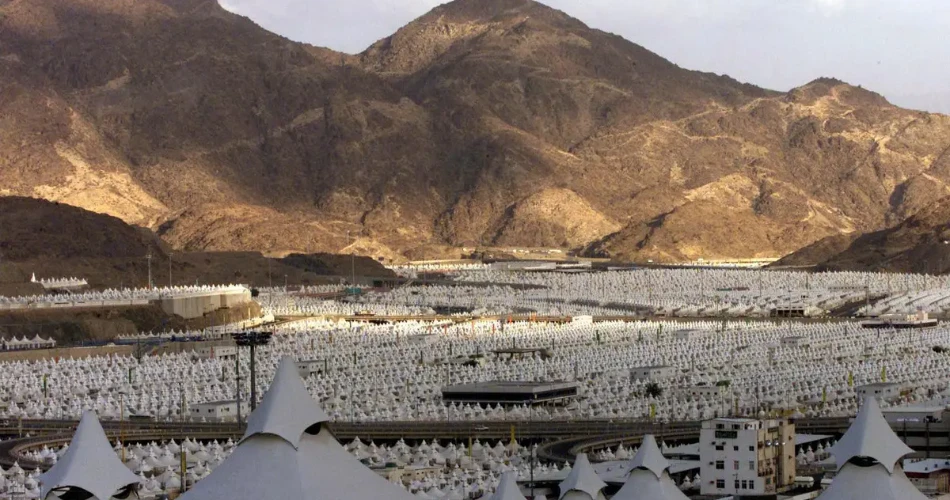
Mina is around five kilometres from Masjid al-Haram. The area is closely associated with Hajj, and the Jamarat area is connected with the practice of stoning the pillars. These associations make Mina an important part of understanding the places and events remembered during the pilgrimage.
Islamic tradition links Mina with Ibrahim (peace be upon him) and his willingness to follow Allah’s command concerning Ismail (peace be upon him). The practice at the Jamarat recalls Ibrahim (peace be upon him) resisting temptation. These accounts connect Mina with the events remembered during Hajj.
Mina lies beyond Masjid al-Haram, so it is useful to consider it separately from places within the mosque. Visitors interested in the history of Makkah can understand Mina through its associations with Hajj and the stories connected with Ibrahim (peace be upon him).
The distance from the Grand Mosque is approximate, and the route and journey time depend on how visitors travel.
Mount Arafat
18 km from Masjid al-Haram · 21 km from Makkah Museum
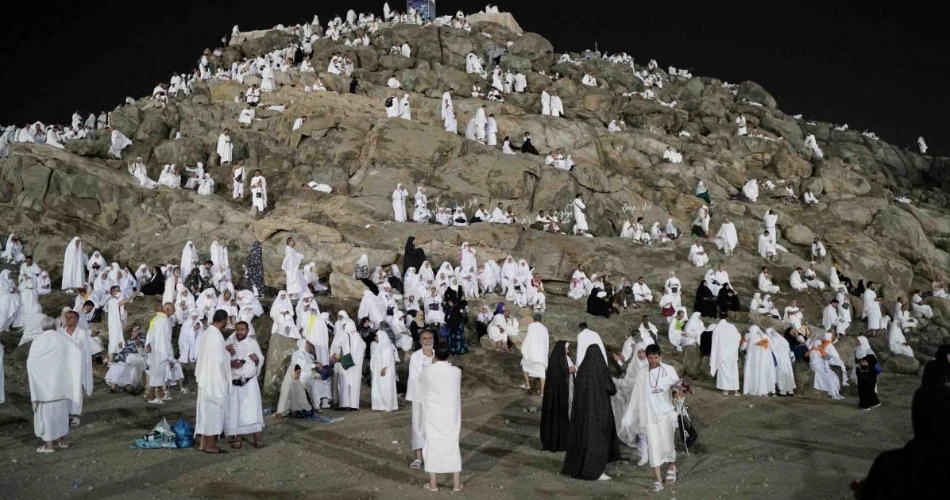
DirectionsMount Arafat, also called Jabal Ar-Rahmah, is a granite hill on the plain of Arafat, around twenty kilometres southeast of Makkah. The hill is about seventy metres high. The surrounding plain is associated with the Hajj gathering on the ninth day of Dhul Hijjah.
Prophet Muhammad ﷺ addressed the Muslims who accompanied him during his final pilgrimage at Arafat. The place is connected with events of Hajj and the life of the Prophet ﷺ. The gathering takes place on the surrounding plain, not only on the hill itself.
Islamic tradition also connects Arafat with the reunion of Adam (peace be upon him) and Hawwa after they came to Earth. The hill is one feature of the wider plain, which is associated with the Hajj gathering. The saying, “Hajj is Arafat,” reflects Arafat’s importance in the pilgrimage.
Jabal Thawr
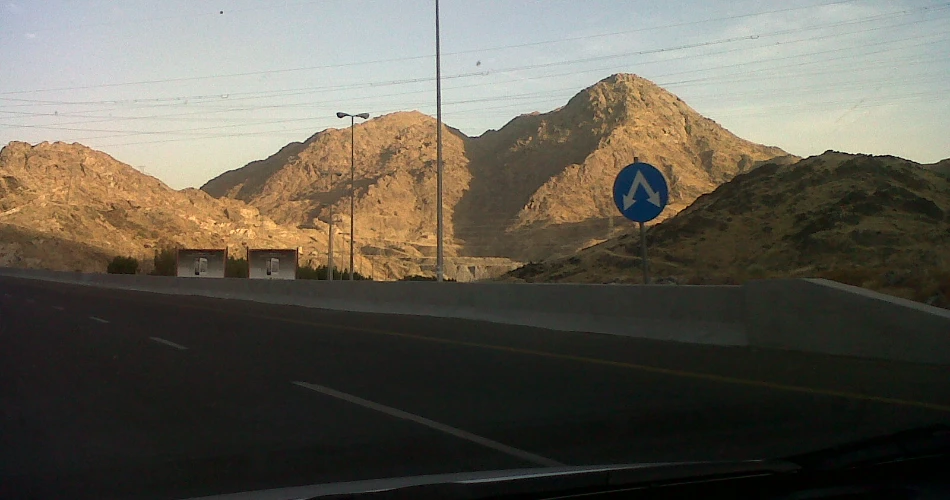
Jabal Thawr is southeast of Makkah, about four kilometres from the Grand Mosque. It is associated with the Hijrah, the migration of Prophet Muhammad ﷺ from Makkah to Madinah. The mountain is about 760 metres above sea level, and the Cave of Thawr is on its rugged upper slopes.
Accounts describe Prophet Muhammad ﷺ and Sayyiduna Abu Bakr (may Allah be pleased with him) staying in the cave while avoiding pursuit after leaving Makkah. This account is associated with Qur’an 9:40. The mountain is easier to traverse near its base, while paths near the summit are rugged and difficult.
A cultural and visitor district project at Jabal Thawr includes a reception centre and an exhibition about the migration. Assistance centres at the mountain’s base provide guidance and help with questions during ascent and descent.
The project area covers more than 127,000 square metres. Consider the difficult upper paths when deciding whether to climb, and take care on the ascent and descent.
 ﷺ" width="950" height="500" srcset="/ri/480/blog/posts_images/more_imgs/175081188653-historical-sites-in-makkah-during-hajj-and-umrah.webp 480w, /ri/780/blog/posts_images/more_imgs/175081188653-historical-sites-in-makkah-during-hajj-and-umrah.webp 780w, /blog/posts_images/more_imgs/175081188653-historical-sites-in-makkah-during-hajj-and-umrah.webp 950w" sizes="(max-width: 767px) 100vw, 768px" loading="lazy" decoding="async">
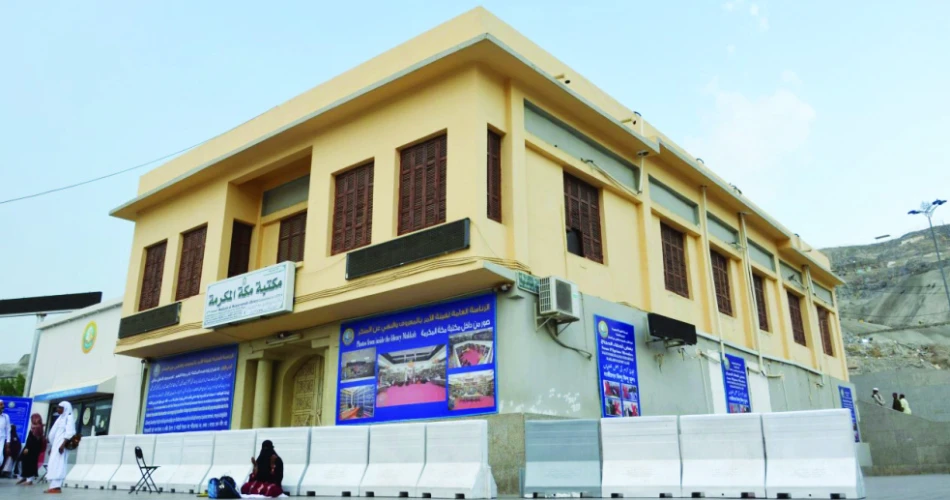
Birthplace Of the Holy Prophet Muhammad ﷺ
The birthplace associated with Prophet Muhammad ﷺ is near Souq Al Khalil, about 0.6 km from Masjid al-Haram in a straight line. Maktaba Makkah al-Mukarramah is a library with Islamic literature and a place for research and study. Its association with the early life of the Prophet ﷺ gives it historical interest.
Prophet Muhammad ﷺ was born on the twelfth day of Rabi' al-Awwal in 570 CE. The library’s educational use is another point of interest for visitors considering the area. Allow time to find it among the streets and buildings near the Grand Mosque.
Abraj Al Bait, the Clock Tower complex, is also about 0.6 km from Masjid al-Haram in a straight line. These are straight-line distances, not walking directions. Use local signs and routes through the surrounding area when moving between nearby places.