

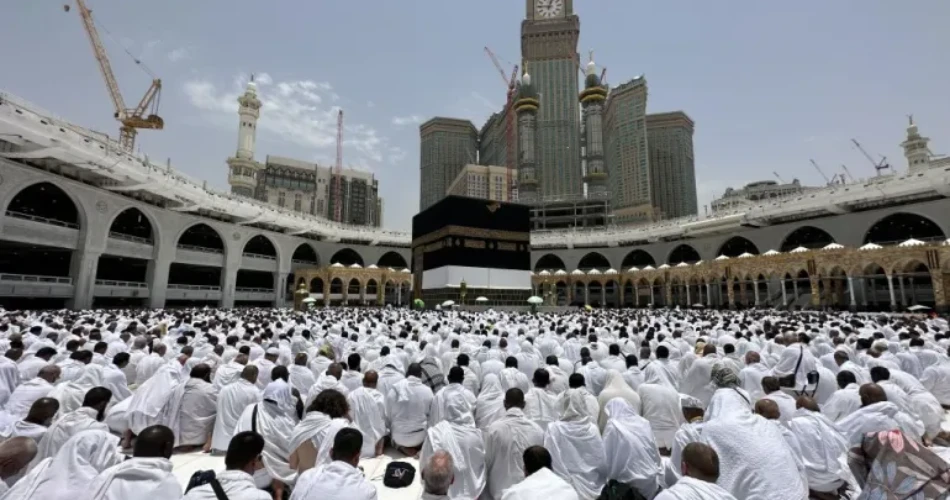
Masjid al-Haram, also called the Grand Mosque, stands in central Makkah. At its centre is the Kaaba, which Muslims face during prayer. The mosque’s courtyards, prayer areas and facilities have expanded over time to serve increasing numbers of worshippers and pilgrims. Its main areas include the Mataf around the Kaaba and the Mas'a, the route between Safa and Marwa.
This guide covers key places within the mosque and offers practical context for visitors on Hajj or Umrah, as well as those wanting to understand Makkah. For other places in the city, see this guide to places to visit in Makkah.
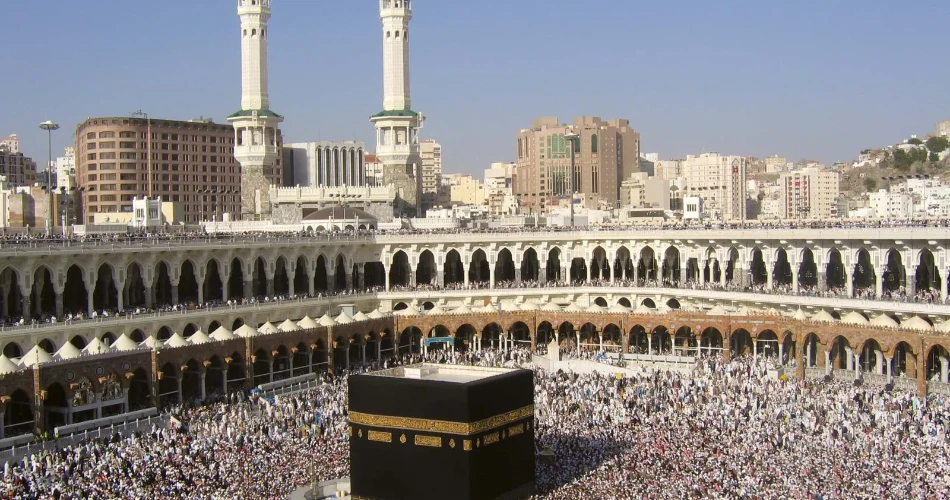
The Kaaba: The Spiritual Heart of Islam
0.1 km from Masjid al-Haram
DirectionsThe Kaaba is a cube-shaped building at the centre of Masjid al-Haram. Muslims around the world face it during prayer, making it the focal point of worship in the mosque. Pilgrims performing Hajj or Umrah circle the Kaaba in the Mataf, the marble-paved area around it. The Mataf surrounds the Kaaba, while prayer spaces and courtyards extend beyond it.
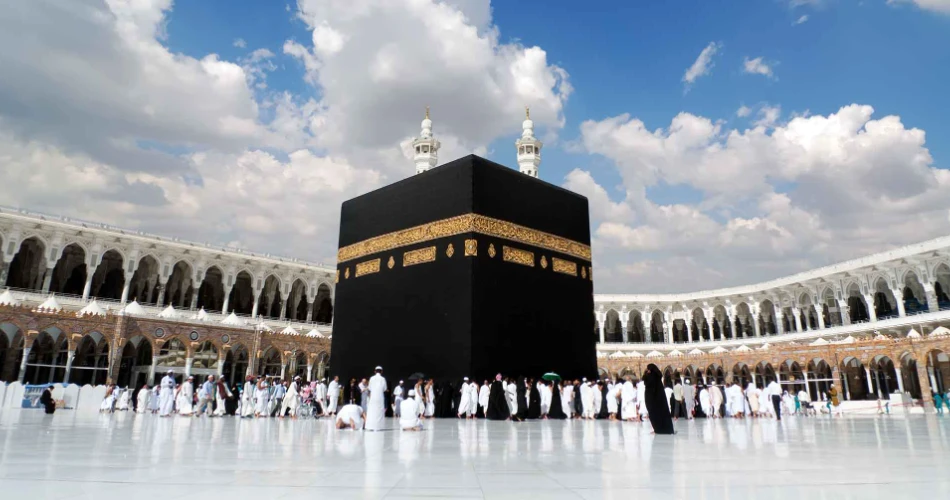
Understanding Hajj and Umrah: Pilgrimages of a Lifetime
Umrah is a pilgrimage to Makkah that includes a series of rites centred on the Kaaba. Visitors may also spend time in prayer during their stay. Umrah can be performed at any time of year.
Hajj takes place annually during Dhul Hijjah, the final month of the Islamic lunar calendar. It is one of the five pillars of Islam, and Muslims who are physically, mentally and financially able undertake it once in their lifetime.
Many pilgrims visit Masjid al-Haram during Hajj, while others come for Umrah or prayer. The Kaaba, Mataf and Mas'a are useful areas to recognise within the mosque.
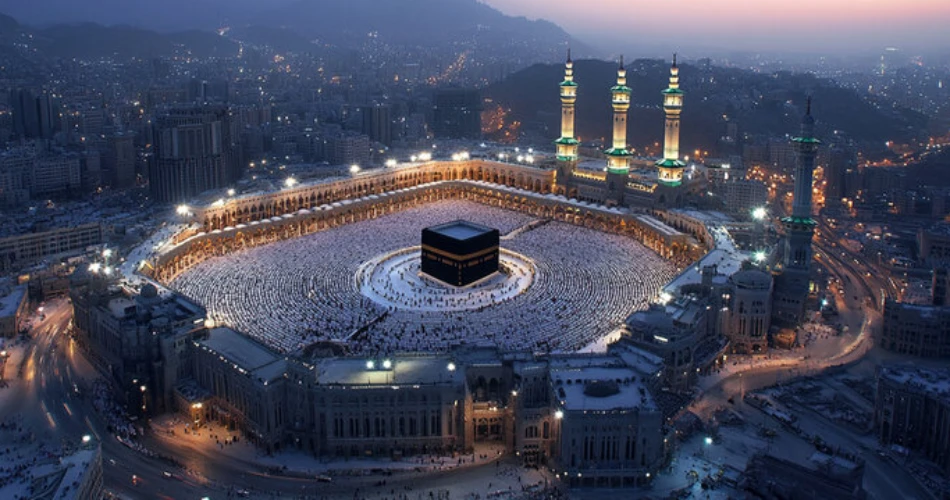
A Journey Through History: Origins of Masjid Al Haram
0.1 km from Masjid al-Haram
DirectionsMasjid al-Haram began as an open area around the Kaaba. As the congregation grew during the rule of Sayyiduna Umar (may Allah be pleased with him), a low boundary wall was added and the mosque was expanded.
Further expansion followed during the rule of Sayyiduna Uthman (may Allah be pleased with him). The mosque and its courtyards have been enlarged over time to serve more worshippers.
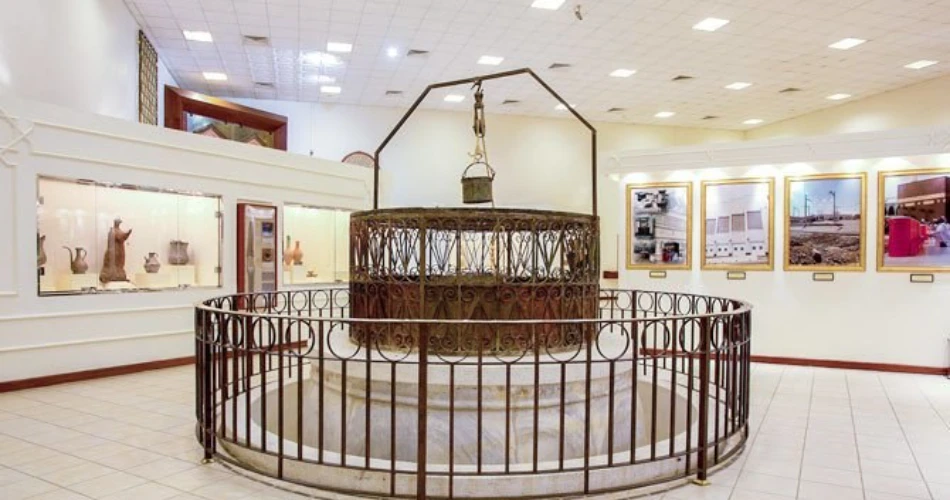
A major Saudi expansion began in 1375 AH. It included multiple floors, work on the Mas'a and Mataf, and moving the Zamzam well to a basement. Later work continued to extend the mosque’s facilities and prayer spaces.
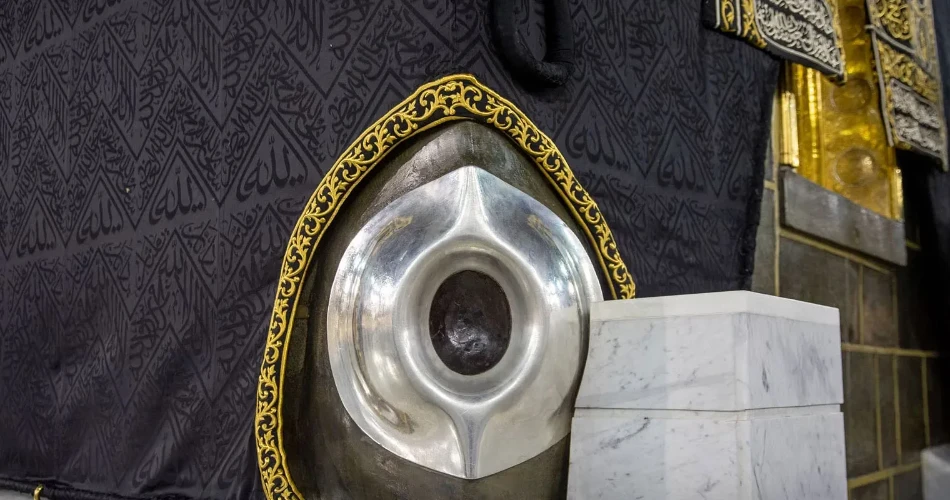
The Black Stone: A Sacred Symbol of Faith
The Black Stone, known in Arabic as Hajar al-Aswad, is set in the eastern corner of the Kaaba. Pilgrims may see it while circling the Kaaba in the Mataf. The area around the Kaaba can be crowded, so pay attention to the movement of others and avoid pushing as you pass. The stone marks the Kaaba’s eastern corner.
Maqam Ibrahim: The Footprint of Devotion
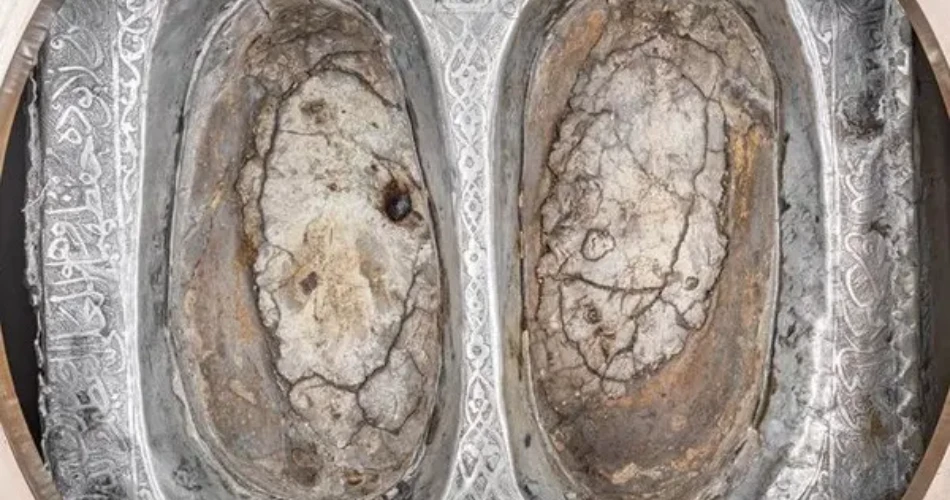
Maqam Ibrahim is an ancient stone associated with Ibrahim (peace be upon him) and the building of the Kaaba. It is near the Kaaba, within the Grand Mosque, and visitors may see it while moving through the Mataf.
The area is used by worshippers and pilgrims, so the flow of people can change during a visit. Its position is one of the features to look for around the Kaaba.
Safa and Marwa: The Hills of Enduring Faith
0.3 km from Masjid al-Haram
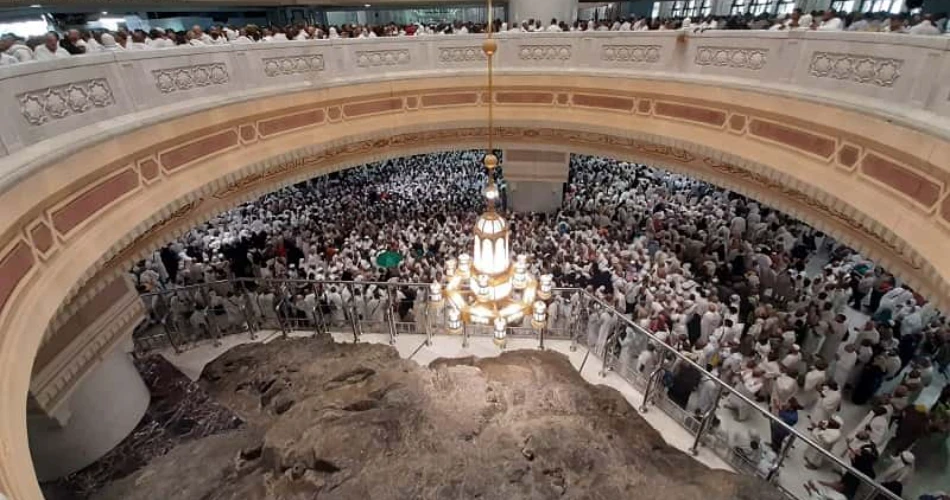
DirectionsSafa and Marwa are two small hills on the eastern side of Masjid al-Haram. The route between them is called the Mas'a.
Islamic tradition recounts that Hajar travelled between the hills while seeking water for Ismail (peace be upon him), and that Zamzam appeared near the Kaaba. Pilgrims on Hajj and Umrah travel between the hills as part of the rites.
The Mas'a was incorporated into the mosque, and nearby buildings and shops were removed to make way for it. The route was paved with stone in 1926 and shaded with canopies in 1947.
Later expansions added floors and service areas. The Mas'a has four levels and multiple exits, with routes and corridors intended to assist older visitors and people with disabilities. Gathering areas are near Safa and Marwa.
Safa and Marwa are about 0.3 km from Masjid al-Haram in a straight line. This is a direct distance, not the walking route inside the mosque.
Zamzam Well: The Blessed Source of Spiritual Refreshment
0.1 km from Masjid al-Haram
DirectionsZamzam is a well east of the Kaaba, and its origin is recounted in the Islamic tradition about Hajar and Ismail (peace be upon him).
Visitors can drink Zamzam water at stations and from containers across the mosque and surrounding plazas. The well opening is covered, leaving more open space in the Mataf. Drinking stations are available in prayer areas and courtyards.
Exploring the Sections of the Grand Mosque
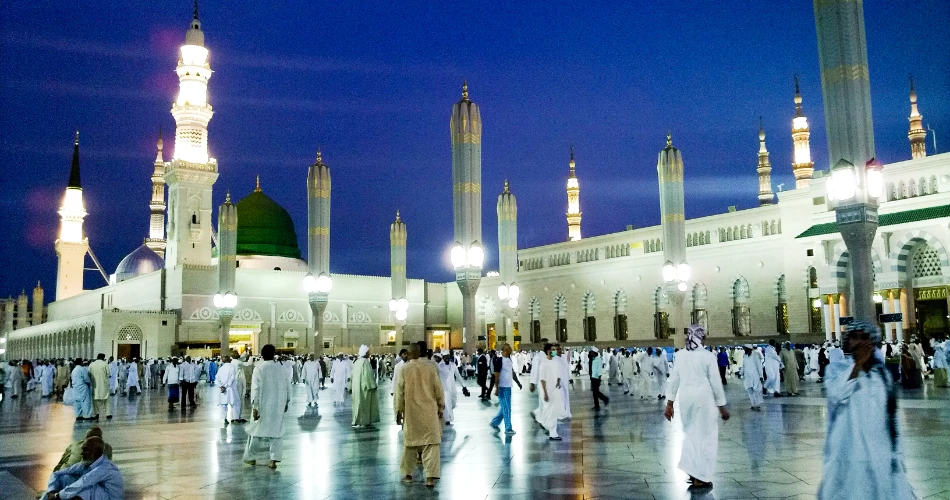
Masjid al-Haram has the Kaaba at its centre, with surrounding prayer areas, courtyards and several levels. Its layout has changed through successive expansions, and different areas serve visitors moving between prayer, Tawaf and the Mas'a.
The Mataf encircles the Kaaba, while Safa and Marwa are connected by the Mas'a. Courtyards and upper levels provide additional space within the mosque complex.
The surrounding area includes places visitors may want to locate during a stay. Abraj Al Bait, the Clock Tower complex, and Souq Al Khalil are each about 0.6 km from Masjid al-Haram in a straight line. Masjid al-Jinn is about 1.1 km away, and Jannat al-Mu'alla is about 1.4 km away in a straight line. Actual routes and walking distances may differ from these direct measurements.
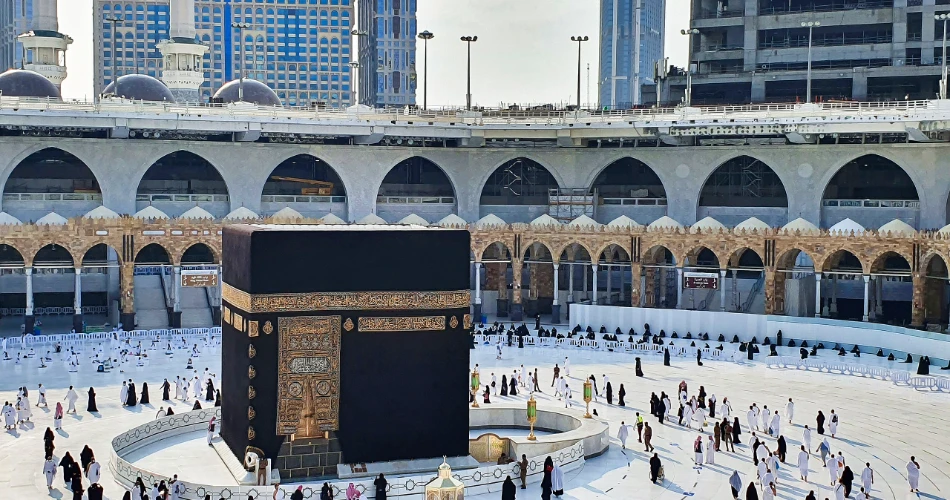
Kaaba Courtyard (Mataf): The Center of Tawaf Rituals
0.1 km from Masjid al-Haram
DirectionsThe Mataf is the marble-paved courtyard around the Kaaba, where pilgrims circumambulate it during Hajj and Umrah. Its open layout places the Kaaba at the centre of movement around it. The area has been enlarged and renovated repeatedly.
The mosque’s early form was an open courtyard; Sayyiduna Umar ibn al-Khattab (may Allah be pleased with him) added a low boundary wall, and colonnades followed under Sayyiduna Uthman ibn Affan (may Allah be pleased with him). Later changes included paving around the Kaaba in 684 and white marble paving in 709.
The Mataf can be busy when many pilgrims are in the mosque. Keep with the flow of people and allow space for those moving around the Kaaba. Multiple floors and expanded facilities provide prayer areas beyond the central courtyard.
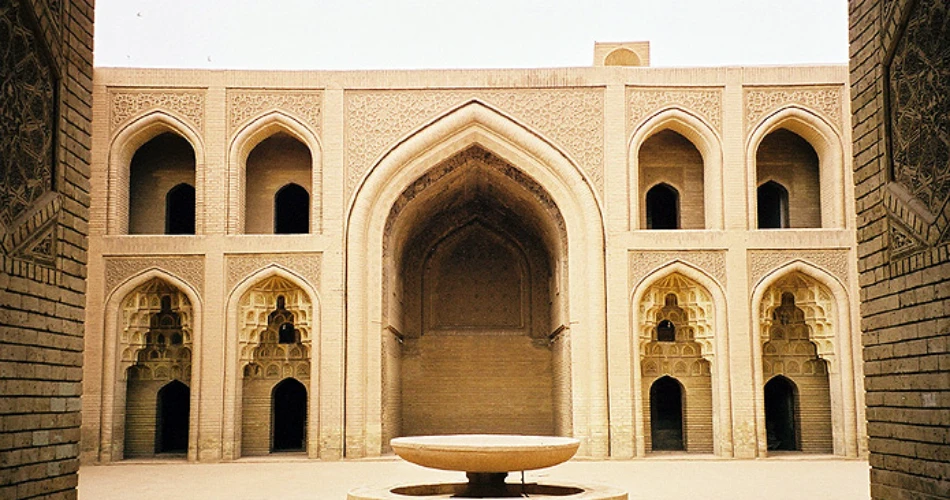
Abbasid Corridor: A Link to Islamic Heritage
The Abbasid Corridor is associated with the period of the Abbasid Caliph Muhammad al-Mahdi. The mosque has undergone extensive changes and expansions over time, and the corridor remains a feature visitors may encounter within the complex.
Its name reflects a connection to an earlier period in the mosque’s development. Movement around it can vary with the flow of people through this large place of worship.
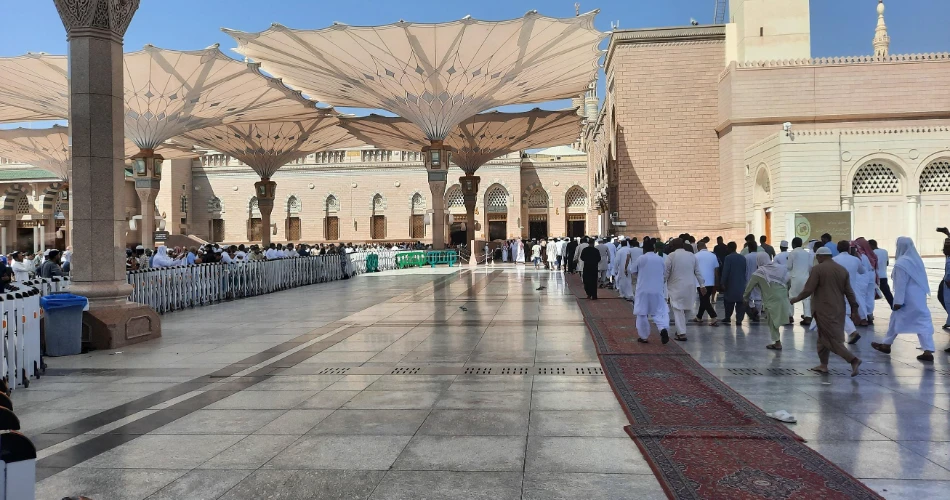
Outer Courtyards: Space for the Growing Pilgrim Crowd
The mosque’s outer courtyards and facilities have been extended as the number of worshippers has grown. These open areas provide additional space beyond the prayer areas near the Kaaba.
Marble paving is used in the courtyards, and successive expansions have added facilities for visitors. Outdoor conditions can differ from those inside, so consider the weather when spending time in the courtyards.
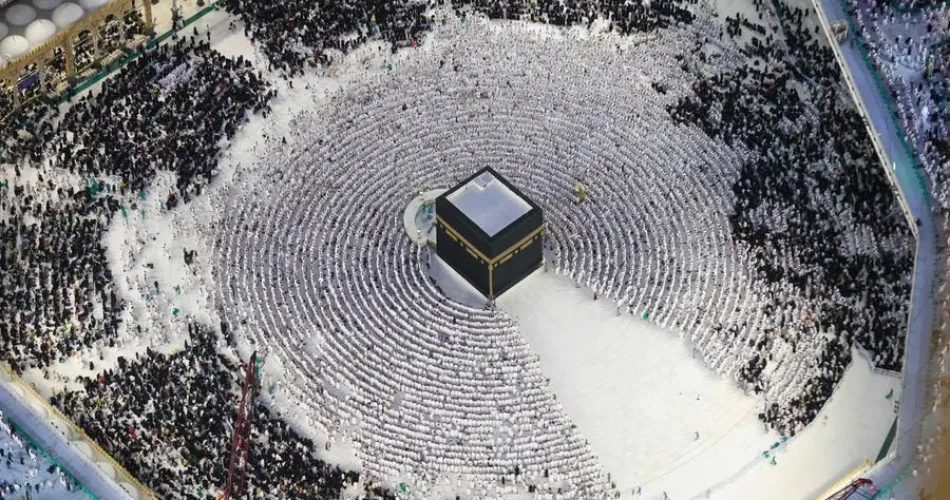
Roof of the Grand Mosque: Expanding the Sacred Space
The roof provides additional prayer space within the mosque complex. It is one of several levels and areas included in successive expansions to serve more worshippers.
Allow time to move through the large building and follow available routes when using upper levels. The Kaaba remains at the centre of the Grand Mosque, with the roof and other elevated spaces forming part of the wider prayer area.
Practical Tips for Pilgrims: Preparing for Your
Preparing for Your Visit
A visit involves moving through a large mosque with several distinct areas. Here are practical points for preparing to spend time in Masjid al-Haram:
Dress Accordingly:
Choose modest, clean clothing suited to prayer and the visit. Conditions can vary between indoor areas and open courtyards, so consider clothing that is comfortable in both.
Pick the Right Time:
The number of people in the mosque changes, and the Mataf and Mas'a can become busy. Allow time to move between areas, and follow the flow of visitors rather than moving against it. The mosque’s different levels and corridors provide routes through the complex.
Hydrate and Rest:
Drinking stations and containers provide Zamzam water in the mosque and surrounding plazas. Take breaks when needed after time in the courtyards or moving between the Mataf and Mas'a. Routes and corridors intended to assist older visitors and people with disabilities are also available.


