

The Kiswah is made in Makkah through weaving, embroidery and sewing at the King Abdulaziz Complex.
The King Abdulaziz Complex for the Holy Kiswah, commonly called the Kiswah Factory, is the facility where the Kaaba’s covering is made. Its departments bring together handwork and machinery, from weaving the fabric to adding embroidered designs and sewing sections together.
The complex also presents information about the Kiswah’s history and production. Visitors interested in the covering, its materials and the work behind it can learn how the cloth is prepared and finished.
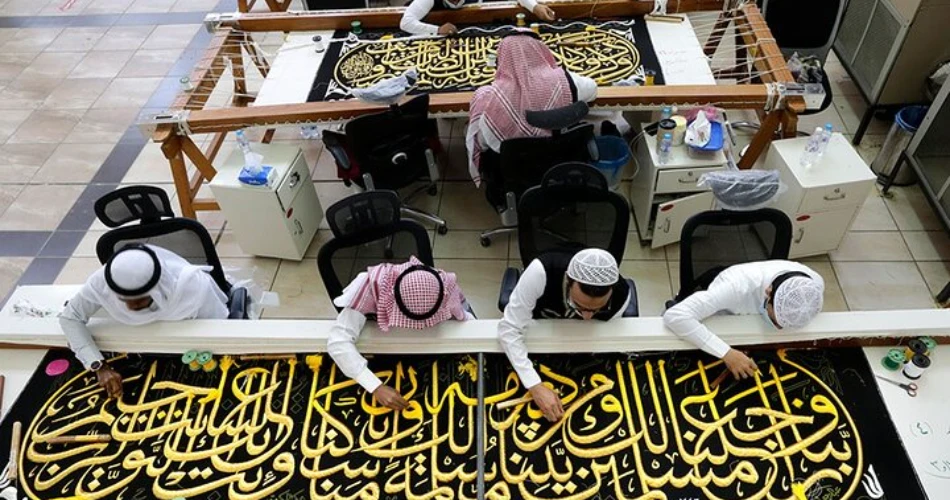
History And Background
The Kiswah production facility moved to its premises in Umm Al-Joud in 1397 AH. The complex, known as the King Abdulaziz Complex for the Holy Kiswah, makes the covering for the Kaaba and presents information about its history and production. Its work brings together the different stages involved in preparing and finishing the cloth.
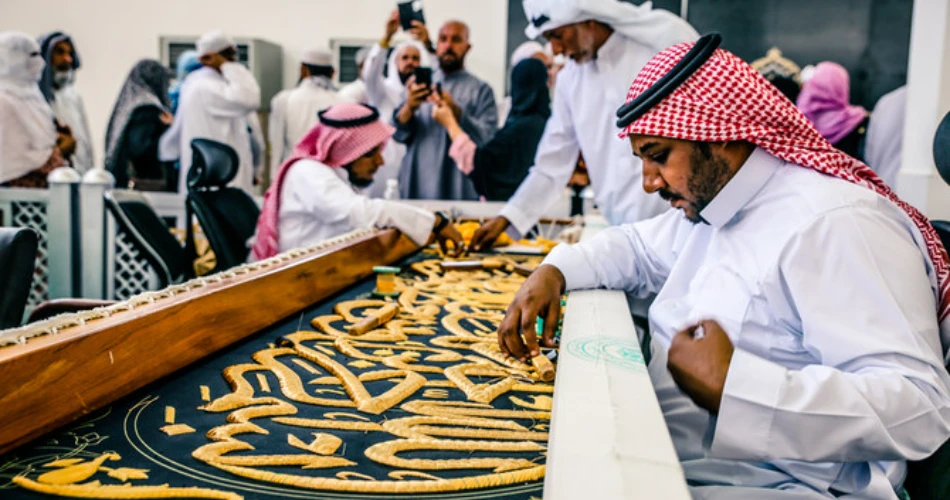
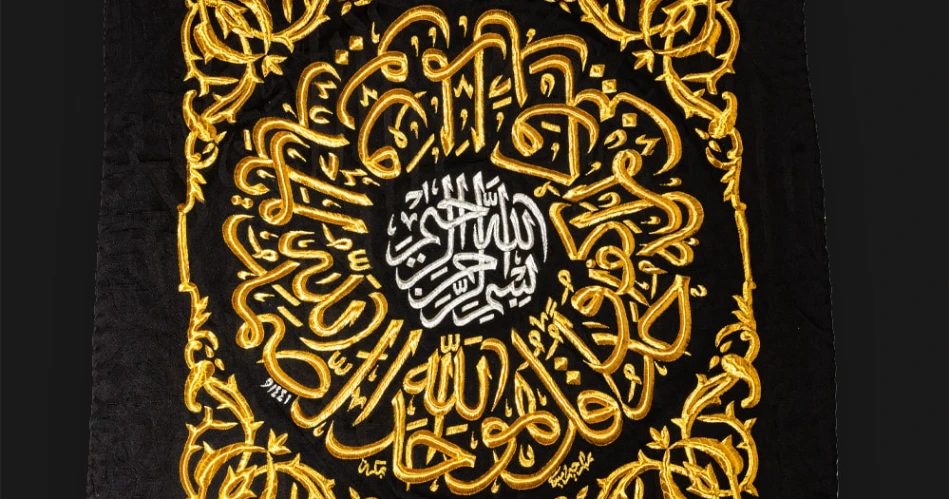
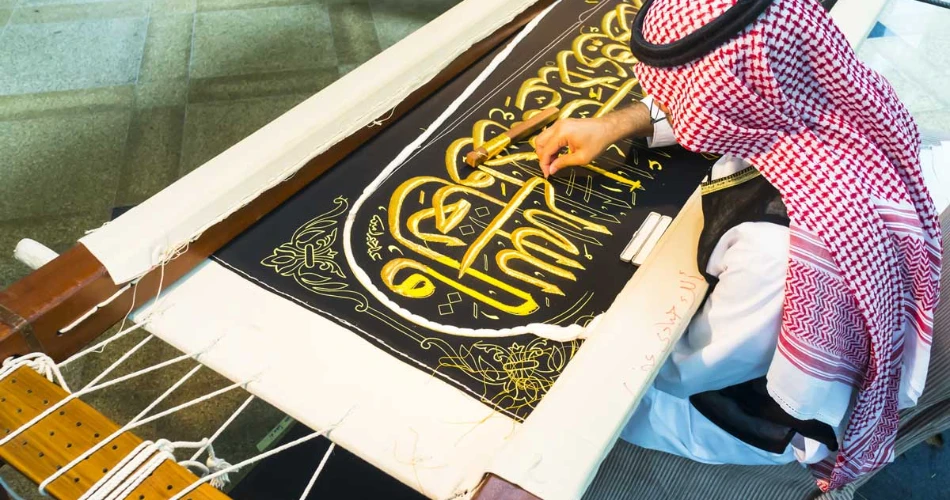
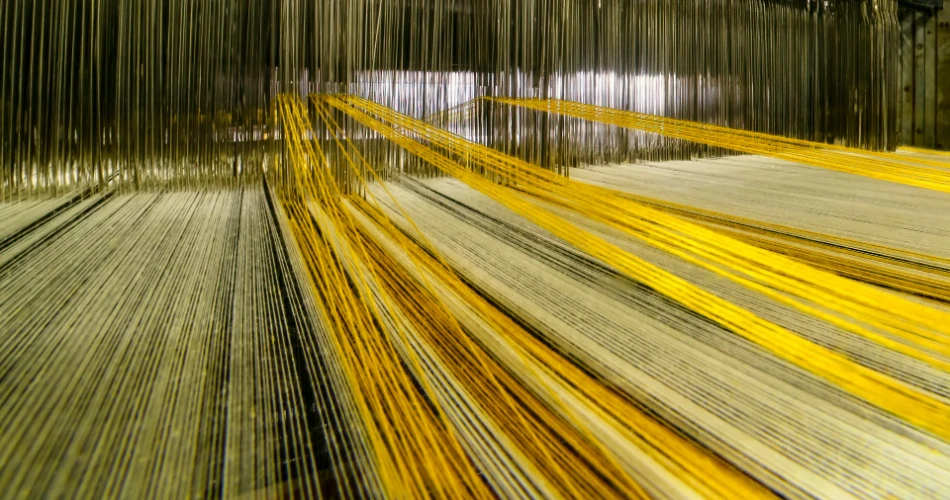
The Kiswah is made from black silk. Gold and silver threads are used to embroider Quranic text and designs onto the fabric. The finished covering brings together the cloth and detailed stitching, but production involves more than embroidery alone. The complex has departments for hand and machine weaving, dyeing, laboratory work, embroidery and sewing.
Each department contributes to a different part of production. Weaving creates the fabric, while dyeing and laboratory work form part of preparing and checking materials. Embroidery adds the text and designs, and sewing joins sections of the covering. Hand techniques and machinery are used across the complex’s production departments.
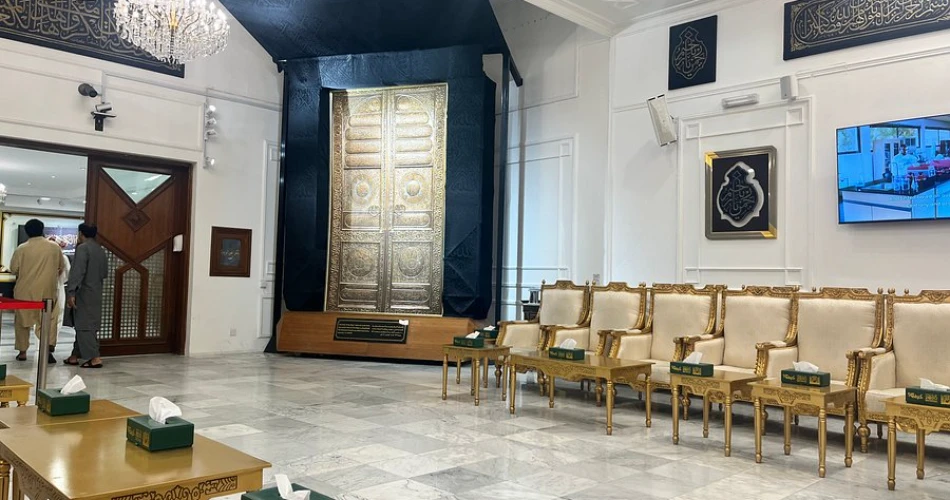
Location
The King Abdulaziz Complex is in the Umm Al-Joud area of Makkah. It is separate from Masjid al-Haram, where the Kaaba stands. The factory produces the covering, while the mosque is the place where it is used. Visitors planning time in Makkah should treat Umm Al-Joud as a separate destination.
The Haramain Architecture Exhibition is about 0.2 km from the Kiswah Factory in a straight line. The nearby exhibition may be of interest when planning time in the area. This is a straight-line distance rather than a walking route, so the distance travelled on the ground may differ.
How is Kiswah Produced?
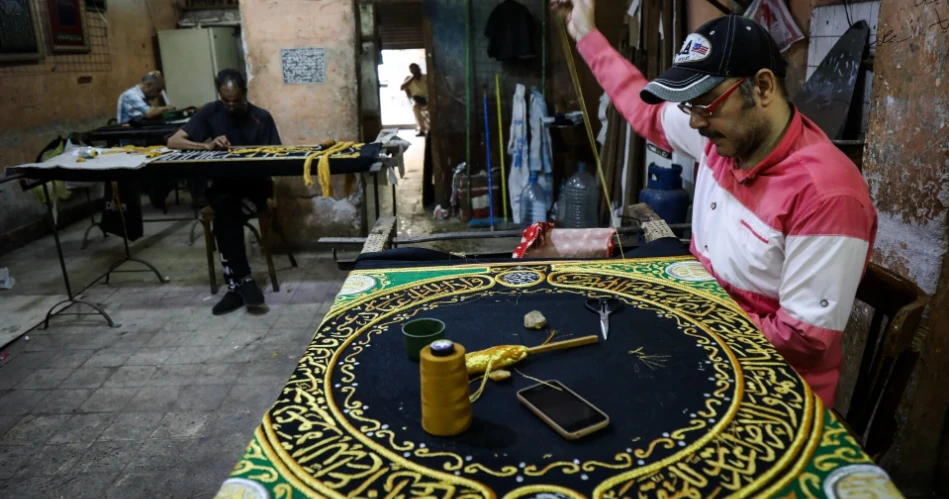
Kiswah production involves hand and machine weaving, dyeing, laboratory work, embroidery and sewing. Each department contributes to the finished covering, from preparing the silk fabric to adding its embroidered details. The complex presents information about these stages and the Kiswah’s history.
The fabric is black silk, embroidered with gold and silver threads. The embroidery includes Quranic text and designs. The covering is not made in a single step: the complex’s departments reflect the separate tasks involved in preparing and finishing it.
Preparation takes about 10 months. Production uses about 1,000 kilograms of raw silk, 120 kilograms of gold wire and 100 kilograms of silver wire. These materials are used in the covering and its embroidery.
The quantities and the number of production stages give a sense of the work involved, while the departments show how weaving, preparation, decoration and sewing contribute to the finished cloth.
Who Can Enter the Kiswah Factory?
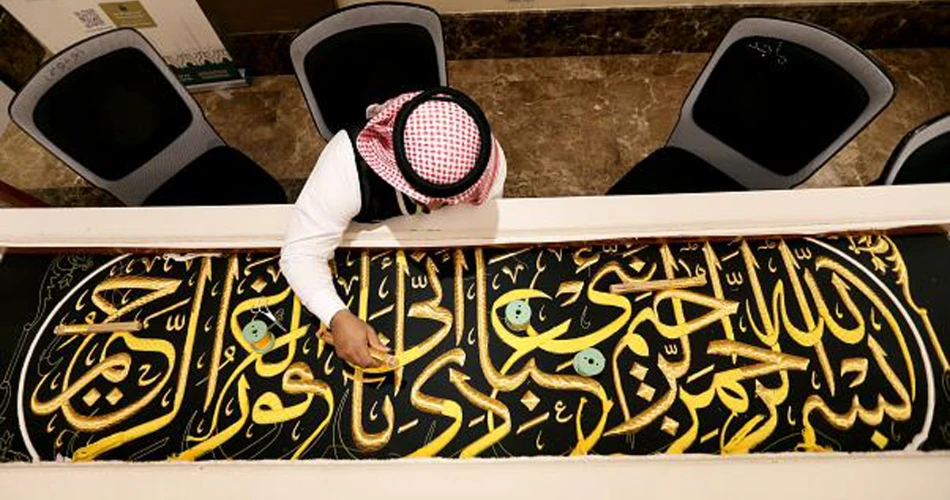
A visiting group of journalists was shown the production departments and stages involved in making the Kiswah. A visit may provide insight into the work behind the finished covering, as well as information about the facility’s history and methods. That group visit does not establish general public access.
Visits are arranged in advance through official channels. Check the current arrangements before making plans, and do not assume that arriving at the complex will provide entry. The information presented at the facility is relevant to visitors interested in the Kiswah’s materials, embroidery and production, or in how the covering is prepared in Makkah.
How Can Visitors Book a Visit to the Kiswah Factory?
Visits to the Kiswah Factory are arranged in advance through official channels. Contact the relevant official channel before setting out to ask about current arrangements. A visiting group of journalists was shown the production departments and Kiswah-making stages, but that visit does not establish general public access.
- Group visits:
Groups should make arrangements in advance through official channels. The complex presents information about its departments and the different stages of production. Check the arrangements for the intended visit before travelling to Umm Al-Joud, and allow for the fact that this is a separate destination from Masjid al-Haram.
- Travel agency:
A travel agency may be able to advise visitors about asking to arrange a visit, but entry should not be assumed or treated as guaranteed. Use official channels to check the current process. Visitors planning a factory visit alongside time at Masjid al-Haram should account for travel between Umm Al-Joud and the mosque.
Can visitors buy the Kiswah cloth?
The Kiswah is the covering made for the Kaaba at the King Abdulaziz Complex. The facility’s purpose is production, and its visitor information focuses on the covering’s history and how it is made. It is a production facility, not a retail outlet for purchasing the cloth.
The covering’s black silk and gold and silver embroidery are part of a process carried out through the complex’s weaving, dyeing, laboratory, embroidery and sewing departments. Information presented at the facility explains these stages, subject to the arrangements for visiting. The work takes about 10 months and uses raw silk, gold wire and silver wire.
Cultural Significance of Kiswah Factory
The Kiswah Factory introduces visitors to the making of the Kaaba’s covering and the work involved in its production. The complex presents information about the Kiswah’s history, materials and manufacturing stages. Its departments include hand and machine weaving, dyeing, laboratory work, embroidery and sewing.
The covering is made from black silk and embroidered with gold and silver threads, including Quranic text and designs. Preparation takes about 10 months and uses about 1,000 kilograms of raw silk, 120 kilograms of gold wire and 100 kilograms of silver wire. These details explain the many stages behind the finished cloth.
For other places to visit in Makkah, consider how much time is available and how each stop fits around time at Masjid al-Haram. The Kiswah Factory is in Umm Al-Joud, so plan it as a separate visit and check arrangements through official channels before travelling. The Haramain Architecture Exhibition is about 0.2 km away in a straight line.
Annual Celebration
The King Abdulaziz Complex in Umm Al-Joud is where the Kiswah for the Kaaba is made. Production includes weaving, dyeing, embroidery and sewing, and the complex presents information about the covering’s history and manufacture. Visitors interested in seeing the facility should arrange their visit in advance through official channels.