

Mina, Muzdalifah and Arafat are linked stages of the Hajj pilgrimage around Makkah. During Hajj, Mina’s valley fills with numbered, air-conditioned tents, while pilgrims travel onward to Arafat and then spend the night in Muzdalifah before returning to Mina. Each site has a distinct place in the pilgrimage and its own facilities and terrain.
This guide introduces the three locations, their connections and the activities pilgrims carry out there. It is also useful for visitors who want to understand the geography and setting of these Hajj sites. Travel arrangements and site conditions can vary during Hajj, so follow current instructions from the relevant pilgrimage authorities.
- 2The Jamarat in Mina
- 3Significance of Muzdalifah
- 4The Prophet Muhammad ﷺ Stayed at Muzdalifah
- 5Rituals Implemented at Muzdalifah
- 6The Arrival at Muzdalifah
- 8Staying Overnight at Muzdalifah
- 9Collecting Pebbles for Jamarat
- 12Geographical Location of Mount Arafat
- 13Significance of Mount Arafat
- 14Standing at Mount Arafat
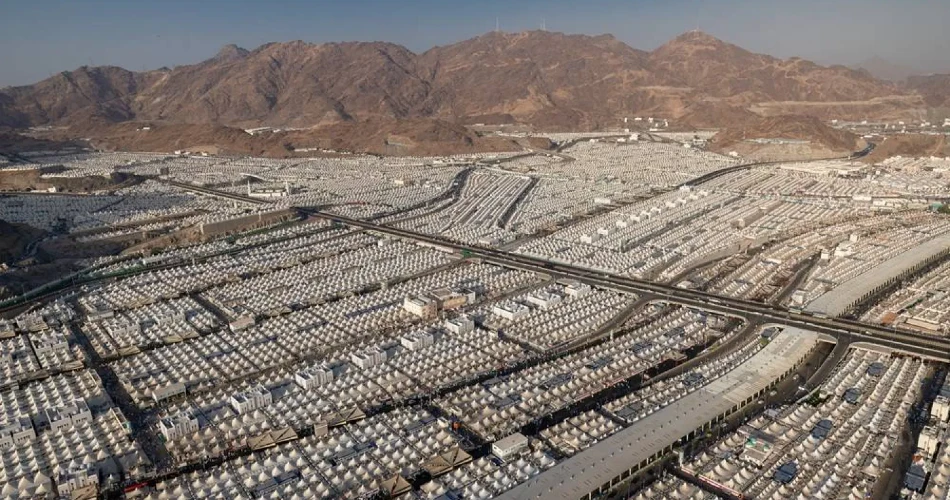
Mina
Mina is a valley between Makkah and Muzdalifah, surrounded by mountains. It is a major Hajj site, about seven kilometres from the Grand Mosque. During the pilgrimage, many pilgrims stay in Mina’s numbered, air-conditioned tents, which form an extensive camp area.
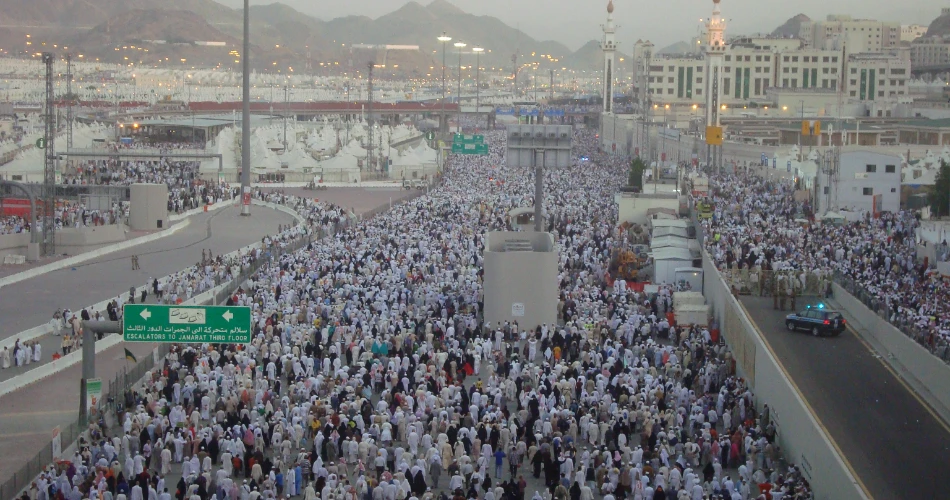
Mina also contains the Jamarat complex, where pilgrims pass through a multi-level facility while carrying out the stoning ritual at three locations. Al-Khayf Mosque is another prominent site in the valley. The tent facilities have developed from temporary cloth, wood or felt shelters into permanent tents designed to resist fire and heat.
What Is the Meaning Behind the Name “Mina”?
The name Mina has been explained in more than one way. Some explanations connect it with the Arabic root ma-na-ya and ideas of testing or trial; other accounts link the name with wishing or longing. These interpretations are part of the way the valley is discussed in Islamic tradition.
The story of Ibrahim (peace be upon him) and his son Ismail (peace be upon him) is also associated with the Hajj rites carried out in and around Mina.
In the account, Ibrahim (peace be upon him) was prepared to obey Allah’s command, and Ismail (peace be upon him) was spared when a ram was provided in his place. The story is remembered in connection with sacrifice during Eid al-Adha.
Mina is also associated with animal sacrifice during Hajj. Its role in the pilgrimage, the Jamarat and the surrounding tent camps make it a central part of the Hajj setting.
How Big Is Mina and Where Is It Located?
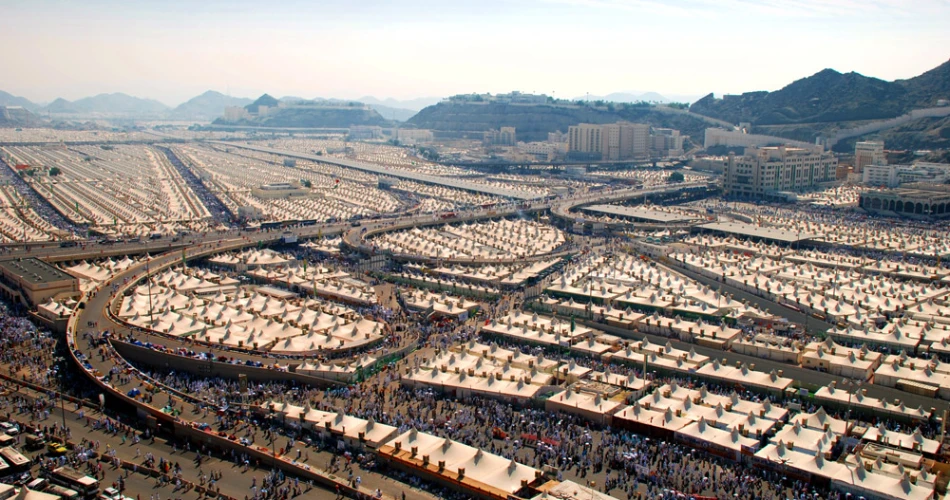
Mina is a mountain-surrounded valley between Makkah and Muzdalifah. The area is shaped by its surrounding terrain and the large tent camp used during Hajj. The following boundaries are given for the site:
- The northern boundary is the 4th Ring Road.
- The western boundary is Makkah city.
- The southern boundary is the Al-Jamaih district.
- The eastern boundary is Muzdalifah.
Mina is about seven kilometres from the Grand Mosque. The route from central Makkah to Muzdalifah is about 16.8 kilometres, across the wider area linking these Hajj locations.
What Is the Significance of Mina During the Hajj?
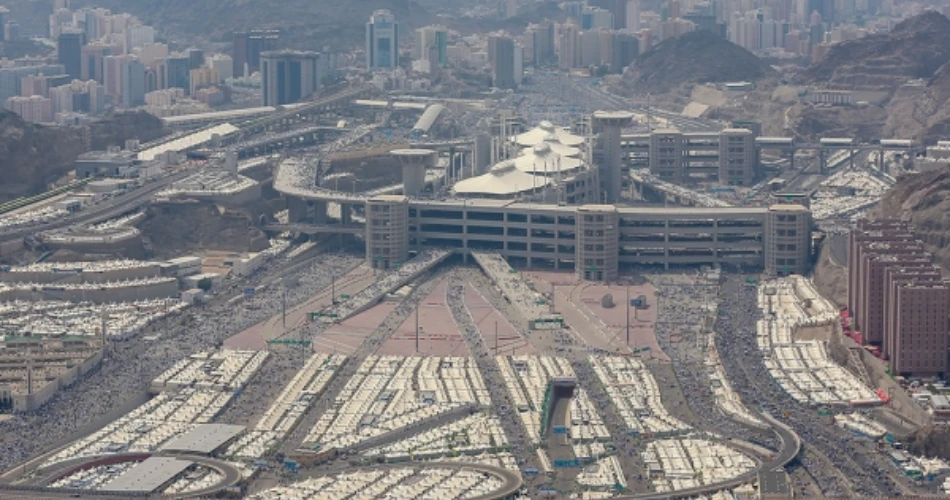
Mina is a major Hajj camp and one of the main locations pilgrims pass through during the pilgrimage. The tents provide accommodation, while the wider site has healthcare, security and logistical services. Pilgrims use the camp as a base during their time in Mina and move between it and the Jamarat complex.
The Hajj route links Mina with Arafat and Muzdalifah. Pilgrims travel from Mina to Arafat, then continue to Muzdalifah and return to Mina. This movement between the sites is part of the pilgrimage, and the valley’s tent facilities and services support the large number of people present during Hajj.
Al-Khayf Mosque is a notable place in Mina. The valley’s setting, camps and facilities differ from Makkah’s built-up areas, while its location connects it to the other Hajj sites.
What Happens at Mina?
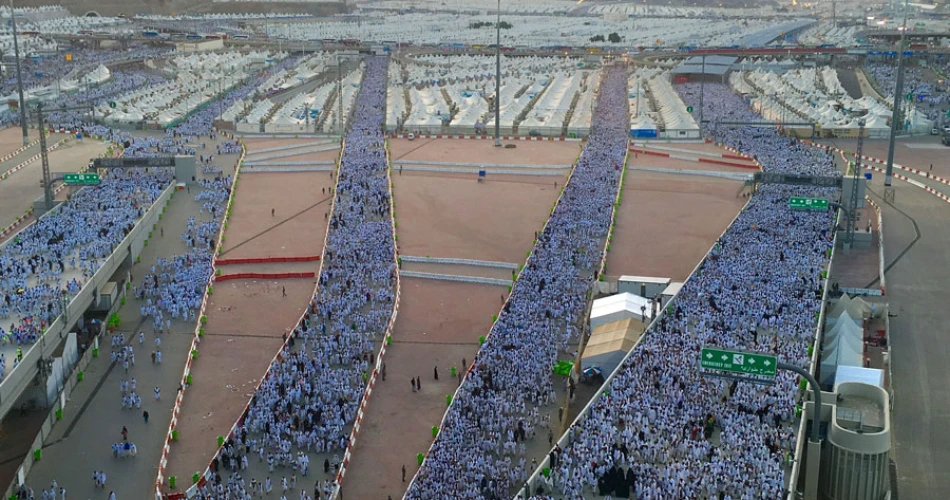
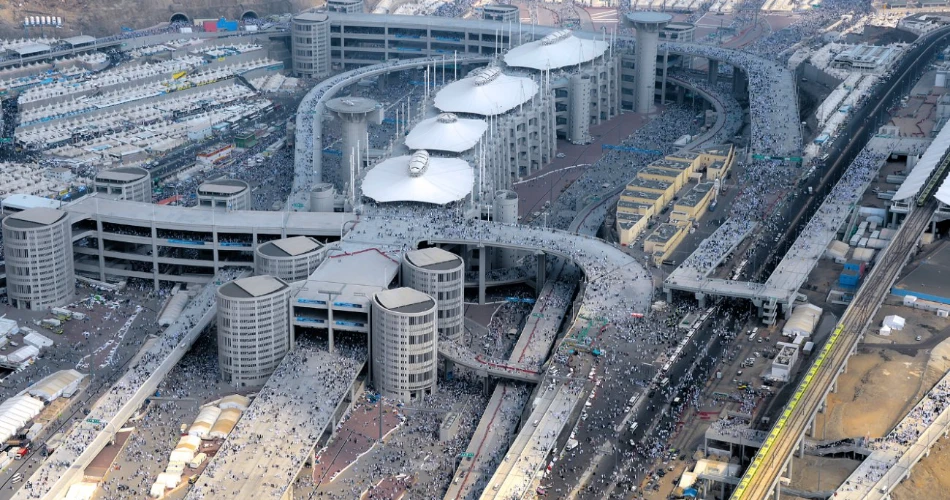
The Jamarat complex in Mina is designed for pilgrims to pass through while carrying out the stoning ritual at three locations: al-Sughra, al-Wusta and al-Aqaba. The complex has multiple levels and is arranged to manage the movement of large crowds during Hajj.
Pilgrims commonly collect pebbles during their stay in Muzdalifah for use at the Jamarat. The ritual is associated with the account of Ibrahim (peace be upon him). Visitors should follow the directions and movement arrangements in place during Hajj rather than assume that routes are open for general access.
Animal sacrifice is also associated with the Hajj period. The rites around Mina bring together worship, movement between sites and the practical arrangements needed to accommodate pilgrims.
The Jamarat in Mina
4.9 km from Masjid al-Haram · 5.9 km from Muzdalifah
DirectionsAt the Jamarat, pilgrims carry out the stoning ritual at three locations within the complex:
- Jamarah al-Sughra, the small location.
- Jamarah al-Wusta, the middle location.
- Jamarah al-Aqaba, the large location.
The locations are set within a purpose-built complex in Mina. The multi-level facility is designed to guide pedestrian movement, with separate vehicle and pedestrian routes, multiple entrances and exits, emergency routes and cooling features. It includes escalators, first-aid and civil-defence stations, shaded rest areas and emergency corridors.
The current complex was completed in 2009 after earlier construction and staged expansions. It is about 950 metres long and 80 metres wide, and its reported capacity is 300,000 pilgrims per hour.
Mina is about 2.1 kilometres from Jamarat Bridge in a straight line. Masjid al-Khaif is about 0.8 kilometres away in a straight line, and Masjid al-Bay'ah is about 0.7 kilometres away in a straight line.
During Hajj, movement through the complex is managed to control crowd flow. Visitors should not rely on general access or route assumptions when pilgrimage arrangements are in effect. Follow the instructions provided for the relevant Hajj arrangements.
The Qur’an says:
“And remember Allah during [specific] numbered days. Then whoever hastens [his departure] in two days, there is no sin upon him, and whoever delays [until the third], there is no sin upon him, for him who fears Allah. And fear Allah and know that unto Him you will be gathered.” [2:203]
Muzdalifah
What Is Muzdalifah?
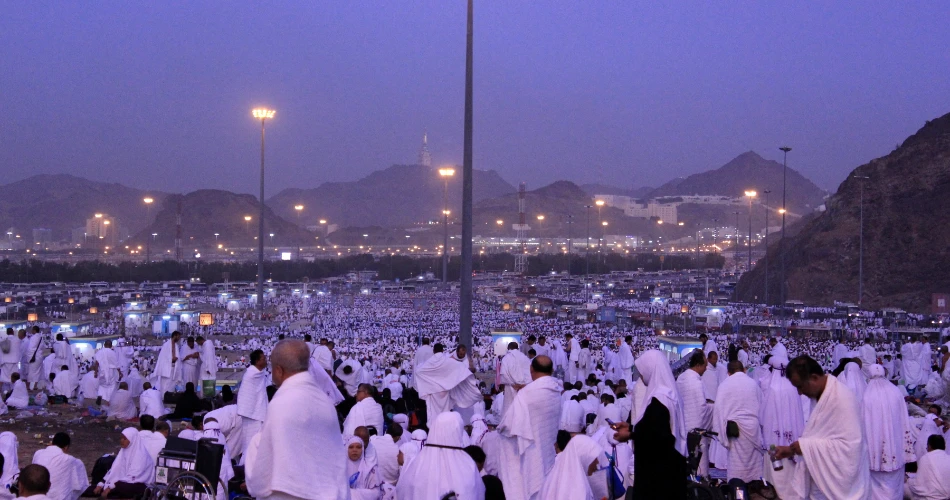
Muzdalifah is a Hajj station between Arafat and Mina. Pilgrims arrive from Arafat and spend the night there before continuing to Mina. The open site is part of the route that connects the three locations during Hajj.
The Qur’an refers to Muzdalifah as al-Mash'ar al-Haram, the name also used by the central mosque there. The Prophet ﷺ stayed at the site facing the qibla. The name Muzdalifah has more than one explanation, including associations with arriving late at night and with drawing near.
The site has overnight areas, toilets, healthcare centres, water coolers, telecommunications and guidance services. Vehicle movement is organized through parking areas and designated entry and exit gates. A developed pedestrian route includes rubber flooring, seating, water points, charging units, mist fans, umbrellas and signs. These facilities support pilgrims moving through the area during Hajj.
Significance of Muzdalifah
10 km from Masjid al-Haram
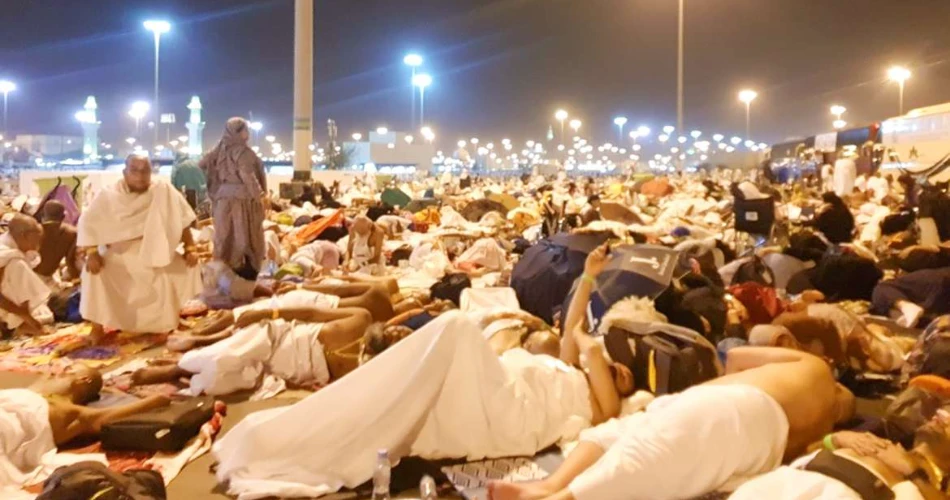
DirectionsMuzdalifah is an important stop on the Hajj route, where pilgrims arrive from Arafat and stay overnight before proceeding to Mina. The Prophet ﷺ stayed there facing the qibla, and the central mosque is known as al-Mash'ar al-Haram.
Pilgrims spend time at the site before continuing their journey. The overnight areas and practical facilities include toilets, water coolers, healthcare centres and guidance services. Designated vehicle gates and parking areas help organize movement through the site.
Pilgrims also collect pebbles at Muzdalifah for use at the Jamarat in Mina. The pedestrian route has seating, water points, signs and shaded or cooled areas, providing support as visitors move between the overnight area and their onward transport.
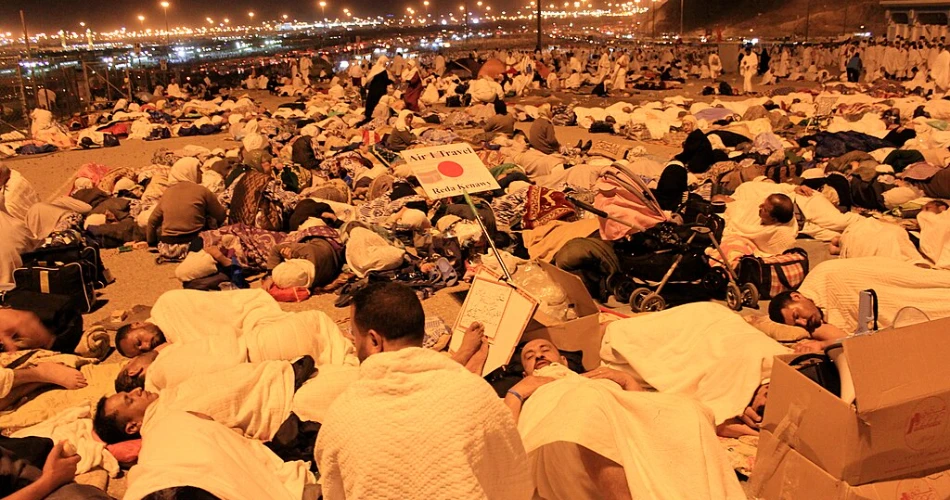
The Prophet Muhammad ﷺ Stayed at Muzdalifah
10 km from Masjid al-Haram
DirectionsAfter leaving Arafat during the Farewell Pilgrimage (Hajj al-Wida), Prophet Muhammad ﷺ travelled towards Muzdalifah. The account describes him performing ablution and continuing to recite the Talbiyah.
He prayed Maghrib and Isha at the site, with a separate iqama for each prayer. The narration below also records that no optional prayer was offered between them or after them:
Abdullah ibn Umar (may Allah be pleased with him) narrated:
“The Prophet (ﷺ) offered the Maghrib and `Isha' prayers together at Jam' (i.e. Al-Muzdalifa) with a separate Iqama for each of them and did not offer any optional prayer in between them or after each of them.” (translation: Muhsin Khan) [Sahih al-Bukhari]
Muzdalifah is linked with the Prophet ﷺ and the Hajj route from Arafat to Mina. For more places connected with the history of Hajj, see this guide to historical sites in Makkah.
Pilgrims spend the night at Muzdalifah in designated areas before continuing to Mina. The site provides overnight spaces and practical services, including toilets, water points and healthcare. Conditions can be crowded, so following the directions given for the pilgrimage helps with movement through the area.
The overnight stop connects the day at Arafat with the return to Mina. It is also the time when many pilgrims collect pebbles for the Jamarat.
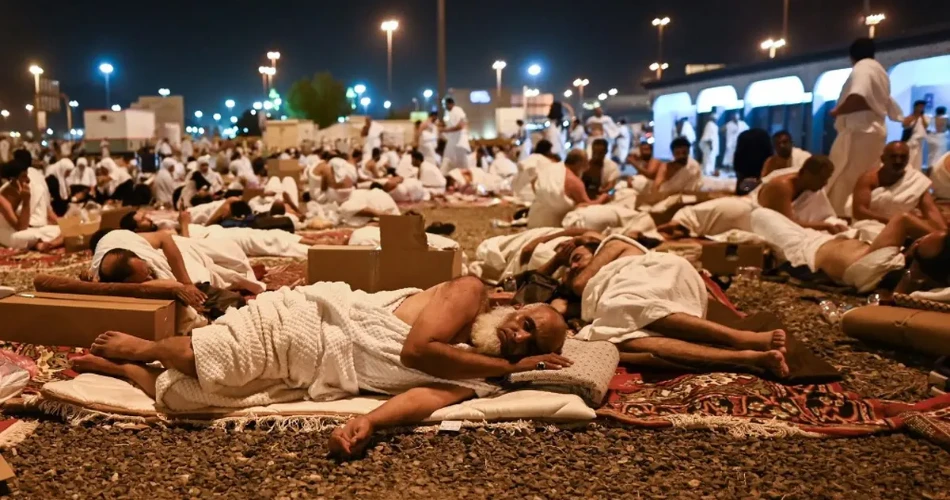
Rituals Implemented at Muzdalifah
10 km from Masjid al-Haram
DirectionsMuzdalifah is a station on the Hajj route between Arafat and Mina. Pilgrims arrive from Arafat, spend the night at the site and then proceed to Mina. The facilities and organized routes support movement through this busy stop.
The following sections outline the main stages associated with a stay at Muzdalifah.
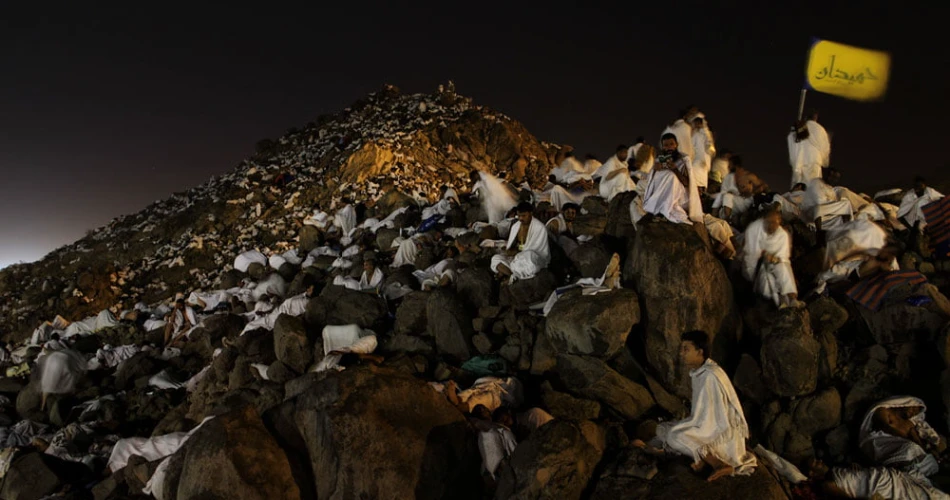
The Arrival at Muzdalifah
10 km from Masjid al-Haram
DirectionsPilgrims travel from Arafat to Muzdalifah as part of the Hajj route. The site is set between Arafat and Mina, and pilgrims stay there before continuing to Mina. Vehicle movement uses designated parking areas and entry and exit gates, while pedestrian routes help direct foot traffic.
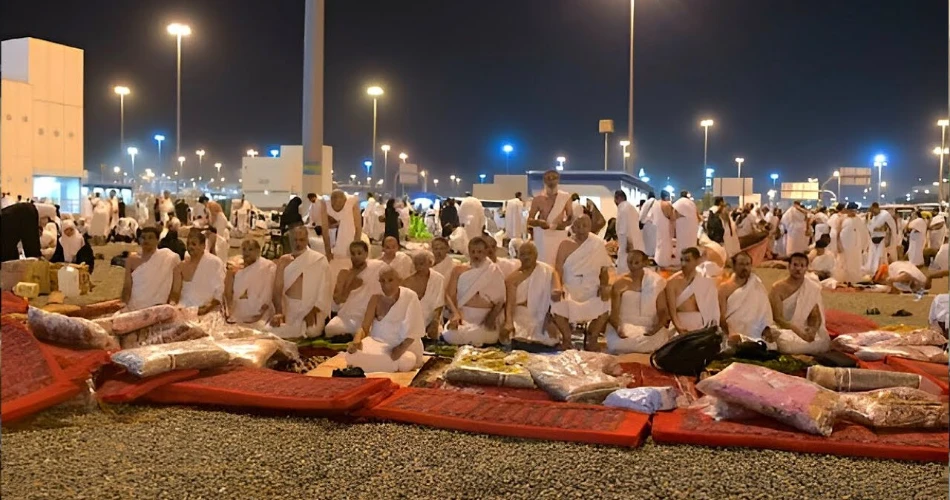
Maghrib and Isha Prayers (Combined
The account of the Prophet ﷺ staying at Muzdalifah describes him praying Maghrib and Isha there, with a separate iqama for each. This practice is recorded in the narration quoted above. The central mosque is named al-Mash'ar al-Haram, after the Qur’anic name for Muzdalifah.
Staying Overnight at Muzdalifah
10 km from Masjid al-Haram
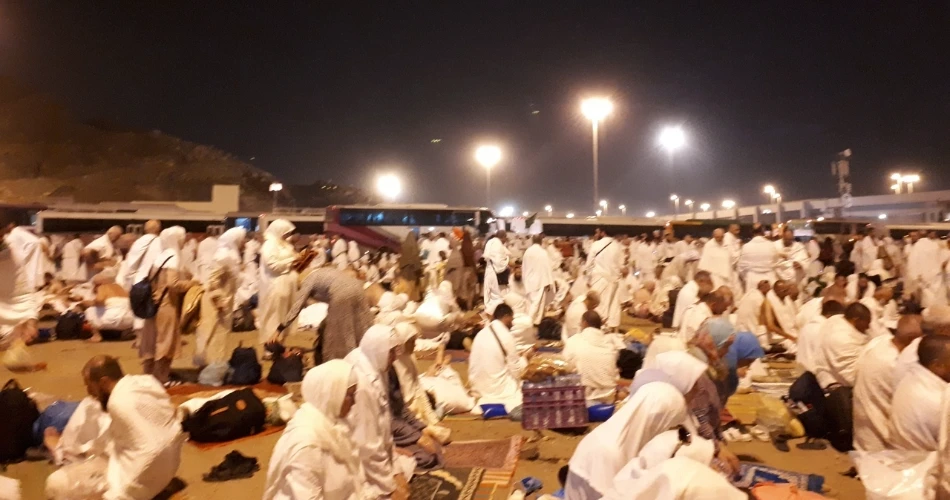
DirectionsPilgrims spend the night at Muzdalifah before travelling onward to Mina. The site has overnight areas, toilets, healthcare centres and water coolers. Signs, seating and water points along the pedestrian route help visitors find their way and take breaks during the stay.
Collecting Pebbles for Jamarat
4.9 km from Masjid al-Haram · 5.9 km from Muzdalifah
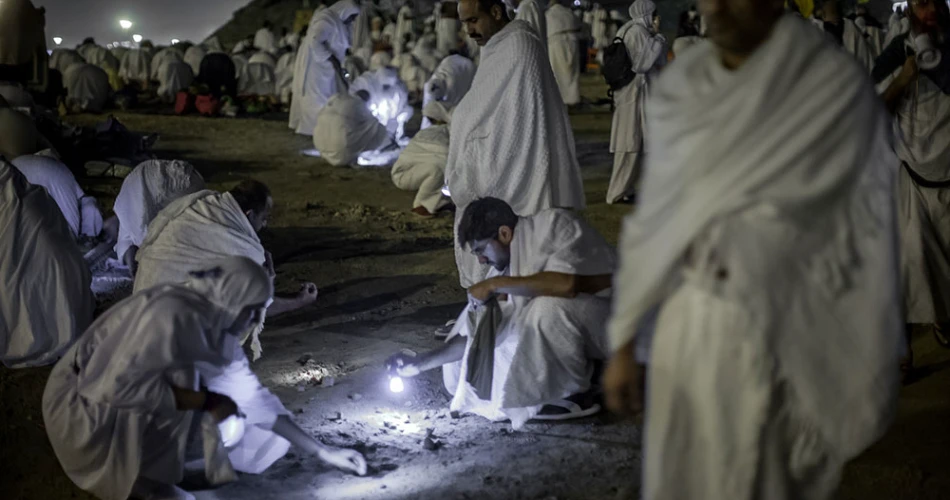
DirectionsMany pilgrims collect pebbles at Muzdalifah to use at the Jamarat in Mina. The Jamarat complex contains three locations for the stoning ritual: al-Sughra, al-Wusta and al-Aqaba. The route between Muzdalifah and Mina is part of the organized Hajj movement, so pilgrims should follow the directions provided for their group.
The Fajr Prayer and Leaving at Daw
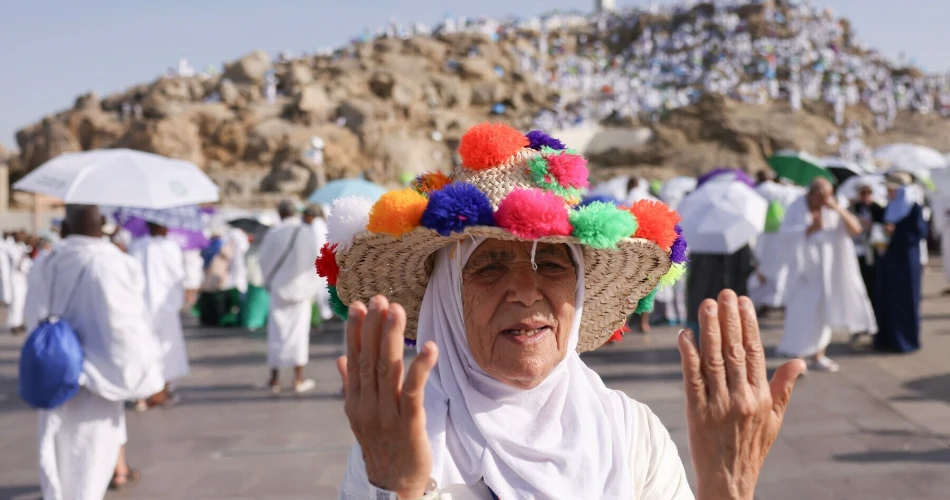
After their overnight stay, pilgrims continue from Muzdalifah to Mina. The route connects the overnight station with the Jamarat complex and the tent camp. Pedestrian paths, signs, water points and organized vehicle access support movement through Muzdalifah as pilgrims leave the site.
Arafat
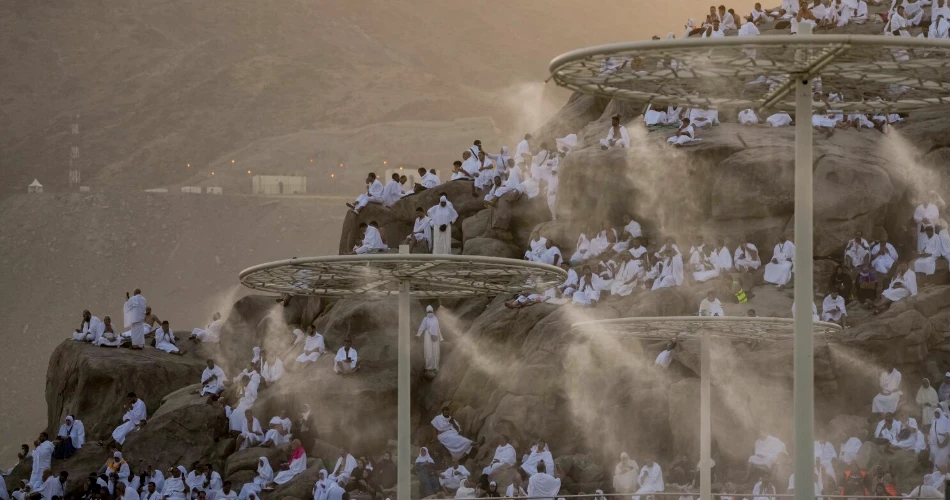
Arafat is a broad plain southeast of Makkah, with Mount Arafat as a small hill within the area. The site is associated with the Farewell Pilgrimage of Prophet Muhammad ﷺ. During Hajj, pilgrims gather at Arafat for the standing known as Wuquf.
The day at Arafat is a time for prayer, supplication and reflection. Pilgrims spend time in worship across the plain before travelling onward to Muzdalifah. Arafat is connected to Mina and Muzdalifah by the Hajj route, and organized transport arrangements operate during the pilgrimage.
The main site is the plain itself, rather than only the hill. This distinction is useful for visitors understanding the geography of the gathering and the place of Mount Arafat within it.
Geographical Location of Mount Arafat
18 km from Masjid al-Haram · 8.0 km from Muzdalifah
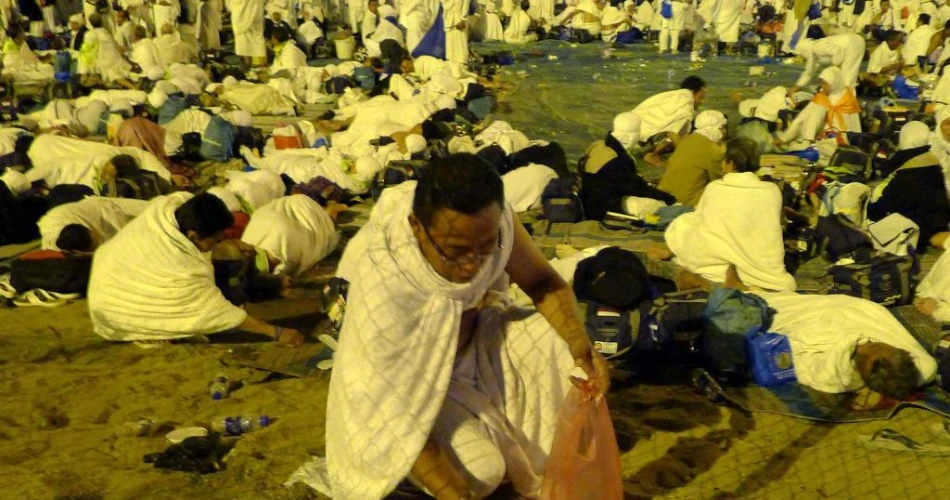
DirectionsMount Arafat stands within the plains of Arafah, about 20 kilometres southeast of Makkah. The wider area lies between Makkah and Taif. Approximate distances given for the surrounding Hajj sites are:
- About 22 kilometres from central Makkah.
- About 10 kilometres from Mina.
- About 6 kilometres from Muzdalifah.
These distances help place Arafat within the route linking Makkah, Mina and Muzdalifah. Actual travel distances and journey times depend on the route and arrangements in use.
Significance of Mount Arafat
18 km from Masjid al-Haram · 8.0 km from Muzdalifah
DirectionsArafat is associated with the Farewell Pilgrimage of Prophet Muhammad ﷺ. The Farewell Sermon is linked with his final pilgrimage and is remembered for its messages on justice, respect for life and equality.
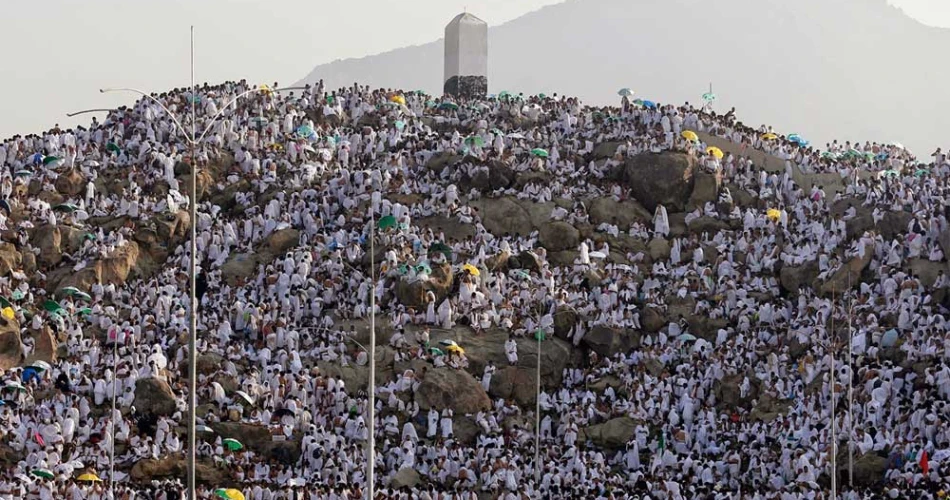
During Hajj, pilgrims gather on the plain on the 9th of Dhul Hijjah for a day of prayer and supplication. The site’s role in the pilgrimage makes it a key point on the route from Mina to Muzdalifah.
For visitors, it helps to distinguish Mount Arafat from the wider plain. The hill is one feature within a large open area where pilgrims spend the day before travelling onward.
Standing at Mount Arafat
18 km from Masjid al-Haram · 8.0 km from Muzdalifah
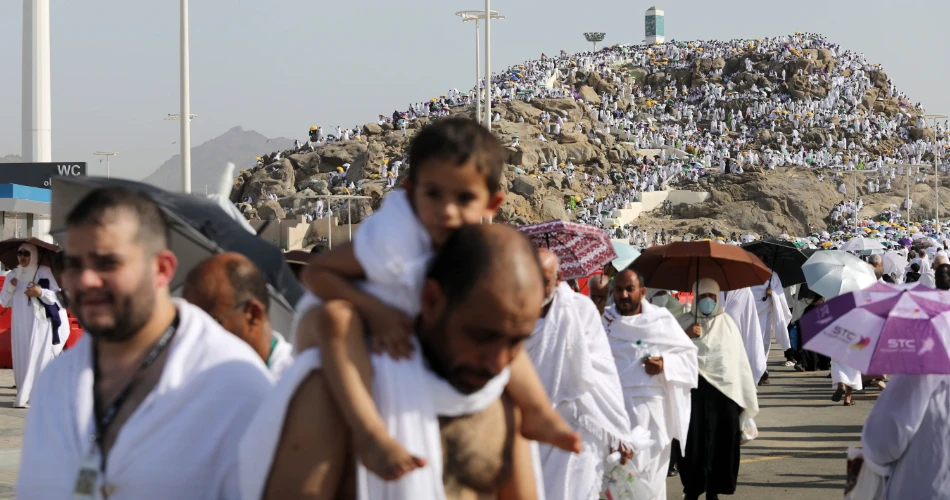
DirectionsOn the 9th of Dhul Hijjah, pilgrims gather at Arafat for Wuquf, the standing associated with this Hajj site. The time is spent in prayer and supplication across the plain.
The Hajj account describes pilgrims praying Dhuhr and Asr and remaining at Arafat until sunset. Pilgrims then travel to Muzdalifah as part of the route through the Hajj sites.
A narration describes Allah addressing the angels about those who have come seeking mercy:
“My slaves have come to Me, rough and disheveled, coming from every distant valley hoping for My mercy, so if your sins were equivalent to the amount of a grain of sand or a drop of rain or like the foam on the sea, I will forgive them. So go forth, My slaves! Having forgiveness and for what or whom you have interceded for.” [Tabarani]
Du'a on the Day of Arafah
A narration attributed to Prophet Muhammad ﷺ describes a supplication associated with the Day of Arafah:
“The best of supplication is the supplication of the Day of `Arafah. And the best of what I and the Prophets before me have said is: None has the right to be worshipped but Allah, Alone, without partner, to Him belongs all that exists, and to Him belongs the Praise, and He is powerful over all things.”
[Tirmidhi]
During Hajj, pilgrims spend the day at Arafat in prayer and supplication. The plain is the setting for this gathering, while Mount Arafat is a small hill within the wider area.