
After Umrah, Makkah has places to visit beyond Masjid al-Haram, including sites connected with Islamic history and local culture.
Visitors can spend time at mosques, see places associated with important events, or visit museum displays and cultural exhibitions. Some outings involve a mountain climb, while others focus on local history and crafts.
Consider your energy, mobility and interests when planning the day, and leave time to rest after Umrah. This guide covers nine activities, from visits in and around the central area to places further away. Check directions before setting out and allow time to travel between stops.
At a glance
9 places · swipe
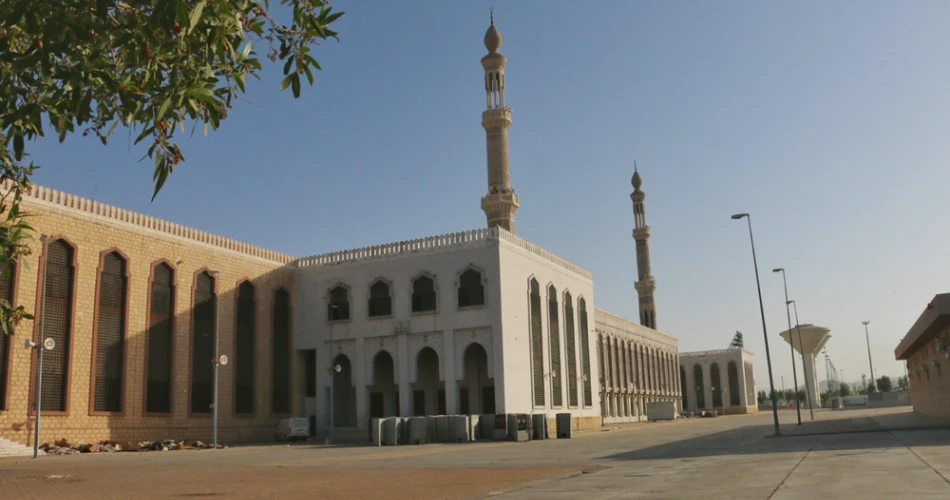 01Masjid Al NimrahMasjid al-Nimrah stands in the Wadi Uranah area, beside the plains of Arafat.17 km from Masjid al-Haram · 19 km from Makkah Museum
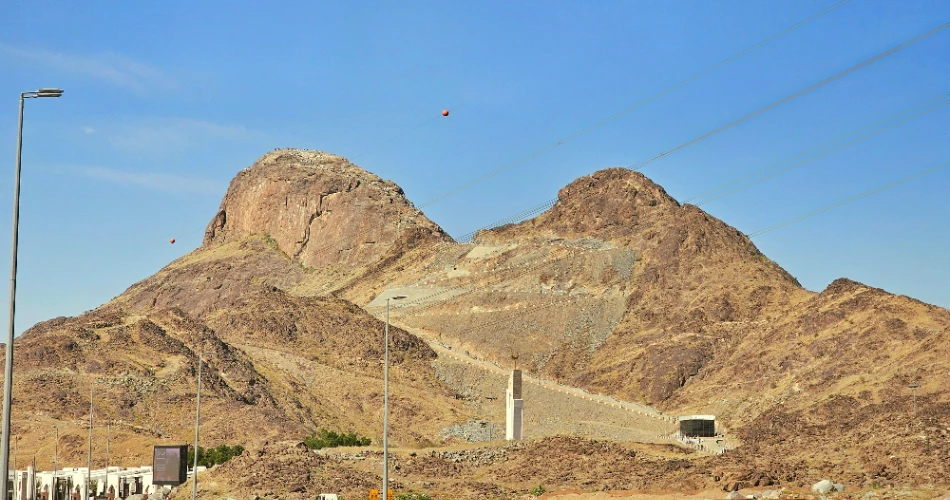 02Jabal al-NourThe Cave of Hira is at the summit of Jabal al-Nour, northeast of the Grand Mosque.
 03Jabal ThawrJabal Thawr is a mountain south of Makkah, known for the Cave of Thawr.
 04Al Amoudi MuseumAl Amoudi Museum displays objects associated with everyday life among earlier Arabian communities.
 05Kiswah Factory MuseumThe King Abdulaziz Complex in Umm Al-Joud is the Makkah facility where the Kaaba’s covering, the Kiswa, is…
 06Masjid Al-JinnMasjid al-Jinn is associated with a group of jinn listening to the Quran recited by Prophet Muhammad ﷺ and…1.3 km from Masjid al-Haram · 2.6 km from Makkah Museum
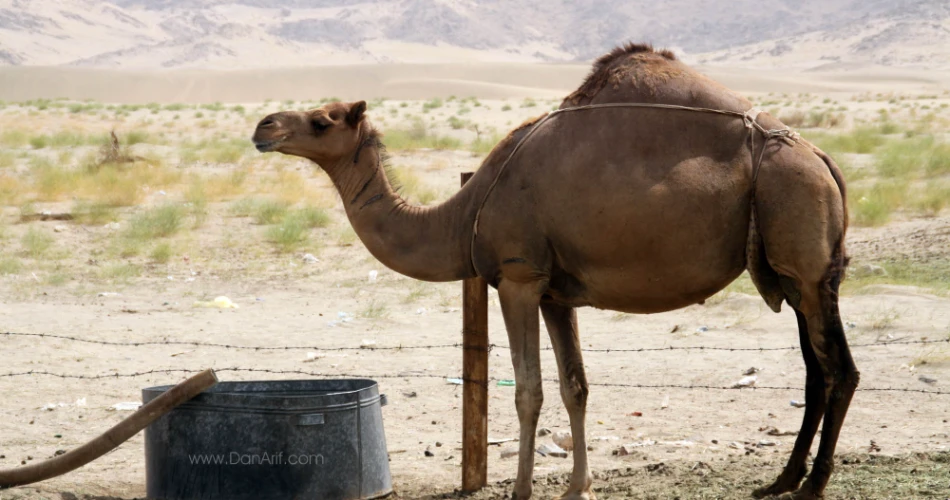 07Hudaibiyah Camel FarmHudaibiyah Camel Farm, in Almorshediah, is 27.4 km from Makkah.23 km from Masjid al-Haram · 21 km from Makkah Museum
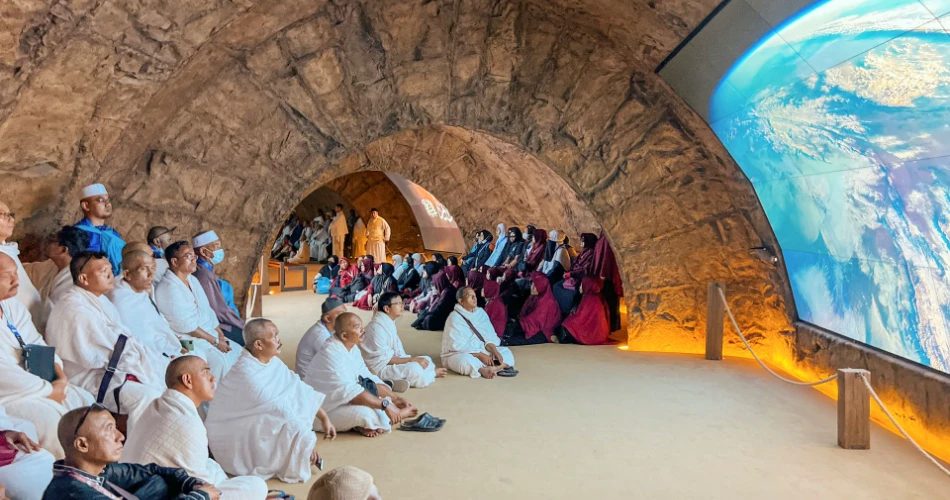 08Hira Cultural DistrictHira Cultural District is linked with the story of revelation and is about 0.9 km from Jabal al-Nour in a…5.9 km from Masjid al-Haram · 6.4 km from Makkah Museum
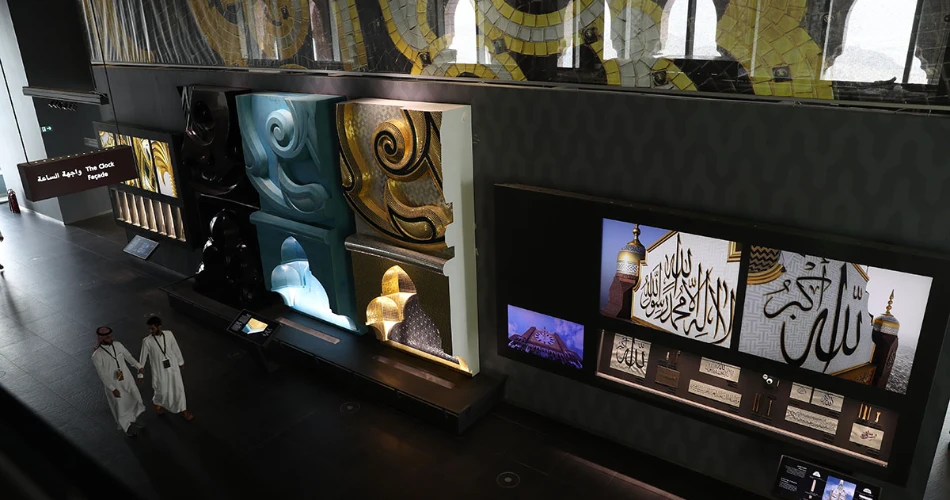 09Museum of MakkahThe Museum of Makkah presents material about the city’s history and the beginnings of Islam.3.2 km from Masjid al-Haram
Masjid Al Nimrah
17 km from Masjid al-Haram · 19 km from Makkah Museum
DirectionsMasjid al-Nimrah stands in the Wadi Uranah area, beside the plains of Arafat. The mosque is associated with the Farewell Sermon of Prophet Muhammad ﷺ. It has three domes, 64 doors, ten entrances and six minarets, and can hold more than 350,000 worshippers.
Its connection with Hajj makes it a site of interest for visitors exploring the area and its role in the pilgrimage. A sermon is delivered here before the Dhuhr and Asr prayers. When planning a visit, allow for the distance from central Makkah and consider the time and energy the outing will require.
Jabal al-Nour
The Cave of Hira is at the summit of Jabal al-Nour, northeast of the Grand Mosque. It is associated with the first Quranic revelation to Prophet Muhammad ﷺ, which began with the command to read. Before his prophethood, the Prophet ﷺ used to withdraw to the cave for worship.
The cave is narrow, with room for around four or five people, and reaching it involves a difficult climb. Older visitors and people who are ill should take the demands of the ascent into account when considering a visit.
Hira Cultural District is about 0.9 km from Jabal al-Nour in a straight line. The project includes a visitor center, a Revelation Exhibition, a Holy Quran Museum and a route up to the cave.
The Ministry of Hajj and Umrah provides directions for the site. The distance from the Grand Mosque is about 4.8 km. Check directions for your starting point and plan for the climb before setting out. For more context about the site, see Ziyarat in Makkah.
Jabal Thawr
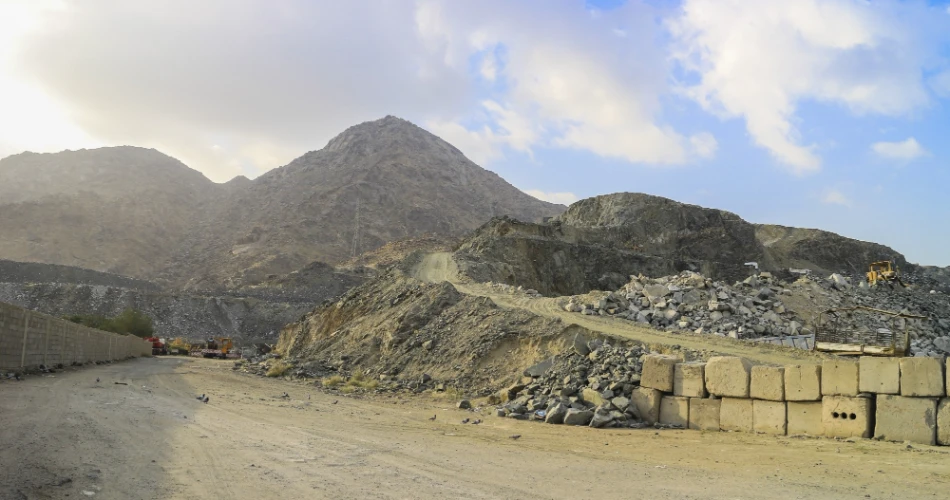
Jabal Thawr is a mountain south of Makkah, known for the Cave of Thawr. Islamic tradition recounts that Prophet Muhammad ﷺ and Sayyiduna Abu Bakr (may Allah be pleased with him) took shelter there for three days while fleeing the Quraysh.
The account also tells of a spider’s web at the cave entrance, which led the pursuers to think no one had entered. The site is associated with the Hijrah story and is visited by people interested in those events.
Jabal Thawr is about 12 km south of Makkah. Reaching the mountain and going on to the cave involves travel and a climb. Consider the physical effort and time required before adding it to a day’s plans. Visitors who do not want to climb can explore the site’s place in the Hijrah narrative through other materials.
Al Amoudi Museum
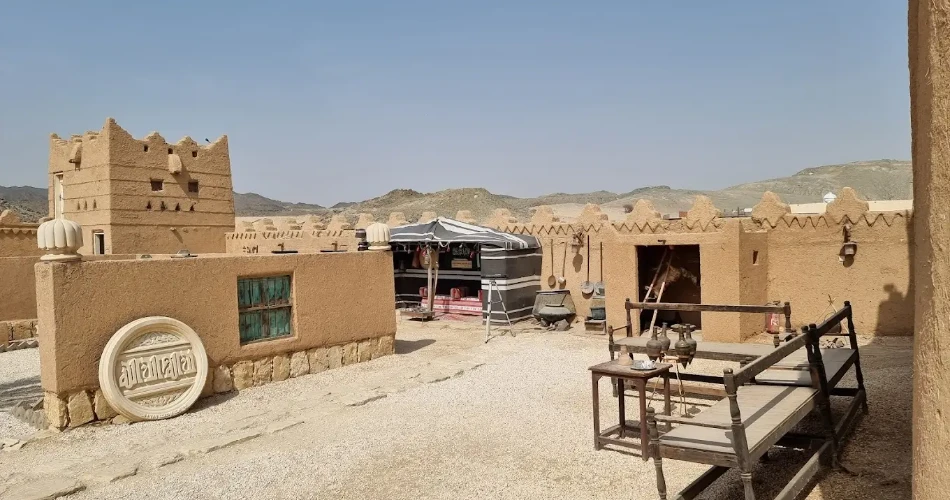
Al Amoudi Museum displays objects associated with everyday life among earlier Arabian communities. Exhibits include household items, traditional art, old weapons and clothing. Together, these objects show how daily routines and material culture differed from life today. Some displays relate to the lifestyles of Arabian royalty, and traditional dress gives visitors a closer look at clothing from earlier periods.
The museum is a 25-minute journey from Masjid al-Haram. Travel time can vary with the route and traffic, so leave extra time if fitting the museum into a wider visit.
Its indoor displays provide a change of pace from visits to religious sites. Families can look at the everyday objects together and discuss what they show about life in the region.
Kiswah Factory Museum
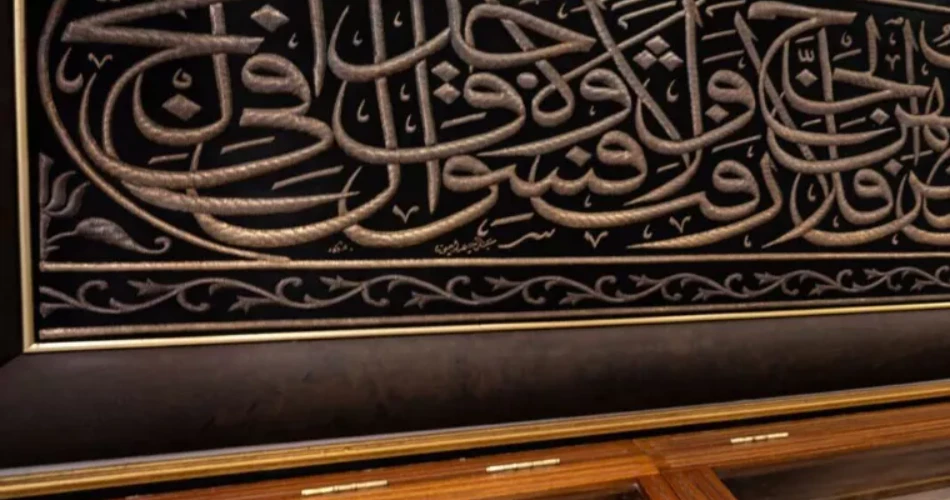
The King Abdulaziz Complex in Umm Al-Joud is the Makkah facility where the Kaaba’s covering, the Kiswa, is made. The production facility moved to its Umm Al-Joud premises in 1397 AH. Departments cover hand and machine weaving, embroidery, dyeing, laboratory work and sewing. Information at the complex explains the Kiswa’s history and how it is produced.
The Kiswa is made from black silk and embroidered with gold and silver threads, including Quranic text and designs. Preparation takes about ten months. Production uses about 1,000 kilograms of raw silk, 120 kilograms of gold wire and 100 kilograms of silver wire.
These details give a sense of the materials and work involved in making the covering. The complex may interest visitors curious about textile production and the craft connected with the Kaaba.
Do not assume that the production departments are open for general visits. A group of journalists was shown the departments and stages of Kiswa-making, but that does not establish public access. Check whether a visit is available before travelling to Umm Al-Joud.
Masjid Al-Jinn
1.3 km from Masjid al-Haram · 2.6 km from Makkah Museum
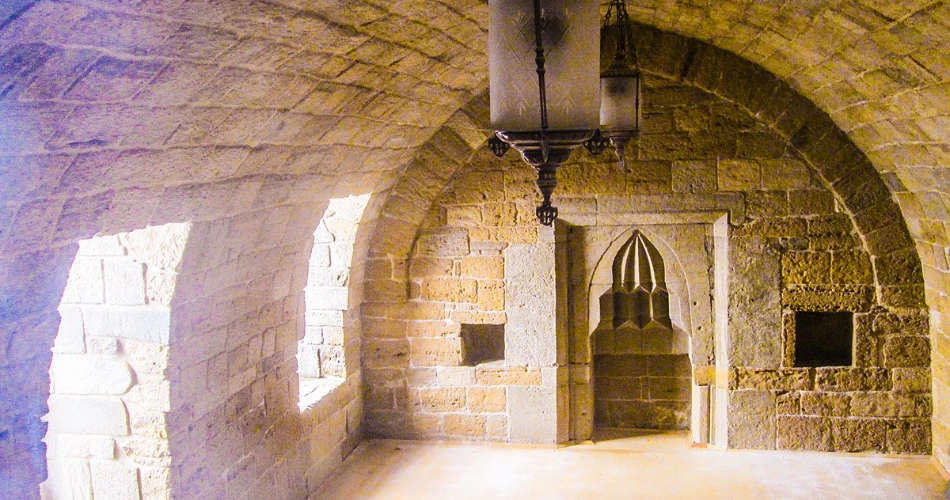
DirectionsMasjid al-Jinn is associated with a group of jinn listening to the Quran recited by Prophet Muhammad ﷺ and accepting Islam. Nearby, Jannat al-Mu'alla is a historic cemetery in Makkah.
Those buried there include Sayyidah Khadijah (may Allah be pleased with her), members of the Prophet ﷺ’s family, and early Muslims. Visitors can take time to consider the sites’ religious and historical associations while treating the cemetery as a place of respect.
Masjid al-Jinn is about 1.1 km from Masjid al-Haram in a straight line, and Jannat al-Mu'alla is about 1.4 km away in a straight line.
These figures are not walking distances, so use directions to plan the route. The two sites can be visited together because they are near one another, but allow time for walking and any other stops along the way.
Hudaibiyah Camel Farm
23 km from Masjid al-Haram · 21 km from Makkah Museum
DirectionsHudaibiyah Camel Farm, in Almorshediah, is 27.4 km from Makkah. The farm gives visitors a look at the place of camels in Arabian life and Bedouin traditions. Visitors can hear about camel care and training, and activities include camel rides, feeding experiences and guided tours. Check which activities are available before setting out.
The farm’s setting contrasts with the city and provides a chance to observe camel care and understand the animals’ role in local life. The trip takes visitors away from central Makkah, so consider transport and the time required for the journey.
It suits an outdoor outing for those interested in animals and regional traditions. Follow any instructions given on site and give the animals space when they are being handled or fed.
Hira Cultural District
5.9 km from Masjid al-Haram · 6.4 km from Makkah Museum
DirectionsHira Cultural District is linked with the story of revelation and is about 0.9 km from Jabal al-Nour in a straight line.
The project includes a visitor center, the Revelation Exhibition, the Holy Quran Museum and a route up to the Cave of Hira. The exhibition and museum provide cultural context for visitors interested in the Quran and the site’s history before considering the mountain climb.
The district also includes a Cultural Library with books, reference materials and interactive exhibits about Makkah, Madinah and the life of Prophet Muhammad ﷺ. The Saudi Coffee Museum is nearby and presents aspects of coffee preparation, aroma and flavour.
These indoor displays make a different kind of visit from the ascent to the cave. Check directions and plan your stops around the time and energy available.
Museum of Makkah
3.2 km from Masjid al-Haram
DirectionsThe Museum of Makkah presents material about the city’s history and the beginnings of Islam. Its galleries include historical displays and Quran manuscripts from different periods.
The museum has seven exhibition areas and more than 100,000 artefacts, including objects described as centuries old. Visitors interested in the past can take time with the displays and compare items from different periods.
The museum also has libraries, auditoriums, gift stores and cafés. It provides an indoor cultural stop alongside visits to mosques and outdoor sites. Choose how much time to spend based on your interests and energy, and check directions before travelling. If your day includes several places, leave room to rest and travel between stops.