
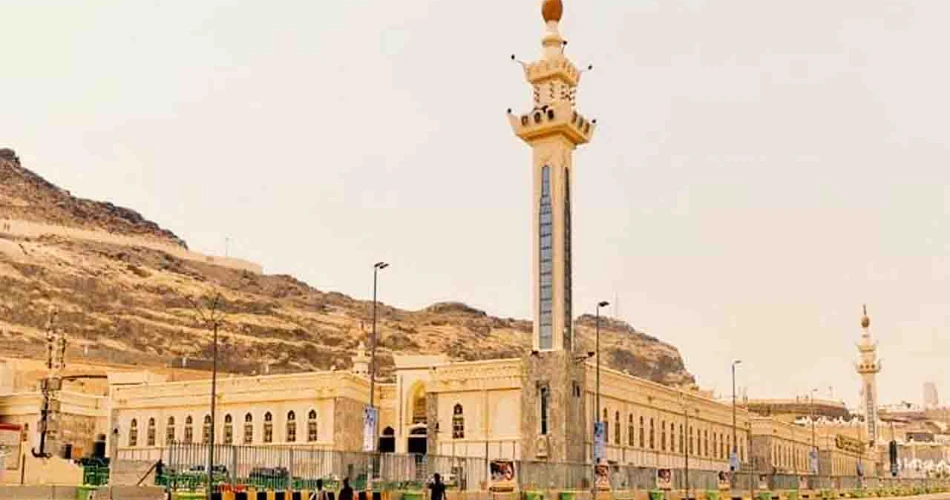
Masjid al-Shajarah, or the Mosque of the Tree, is associated with an account of a tree responding to Prophet Muhammad ﷺ. The mosque is described as being near Masjid al-Jinn and Jannat al-Mu'alla.
The account connects the site with an event from the life of the Prophet ﷺ. Its narrations place the tree near al-Hujun, an area also linked with the mosque’s surroundings.
This guide covers the tree account, the mosque’s location and three other mosques in Makkah. It offers context for visitors considering local religious sites alongside other places to visit in Makkah.
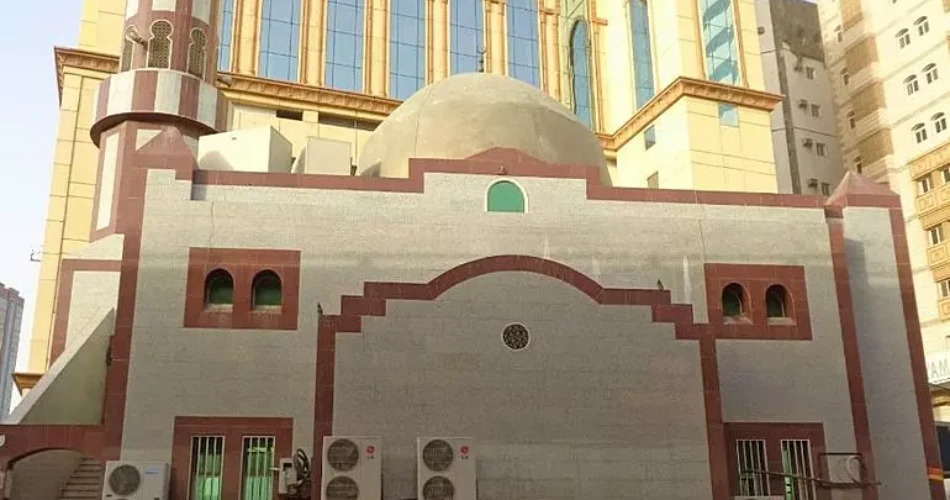
Masjid al-Shajarah
Masjid al-Shajarah translates as “Mosque of the Tree.” The site is associated with a narration in which Prophet Muhammad ﷺ called a tree, and it came towards him before returning to its place.
The mosque is described as being near Masjid al-Jinn and Jannat al-Mu'alla, the historic cemetery of Makkah. Each of these nearby places has its own history and purpose.
The tree account explains the mosque’s name. It describes a tree responding to the Prophet’s ﷺ call, approaching him and then returning to where it had been. The narrations also connect the event with al-Hujun. Visitors can consider the account alongside the mosque’s setting and the nearby sites.
Masjid al-Shajarah is distinct from other mosques with similar names. Masjid Dhul-Hulayfah is a separate mosque. The account associated with Masjid al-Shajarah is linked to the area near Masjid al-Jinn and Jannat al-Mu'alla in Makkah. Checking the mosque’s name and location before setting out may prevent confusion.
Jannat al-Mu'alla, also called al-Mu'alla, is a historic burial ground on Jabal al-Hajun, in the direction of the Kaaba. Its history reaches back to before Islam. Accounts identify Sayyidah Khadijah (may Allah be pleased with her) among those buried there. This gives context to the surrounding area, while the tree account remains the story associated with Masjid al-Shajarah.
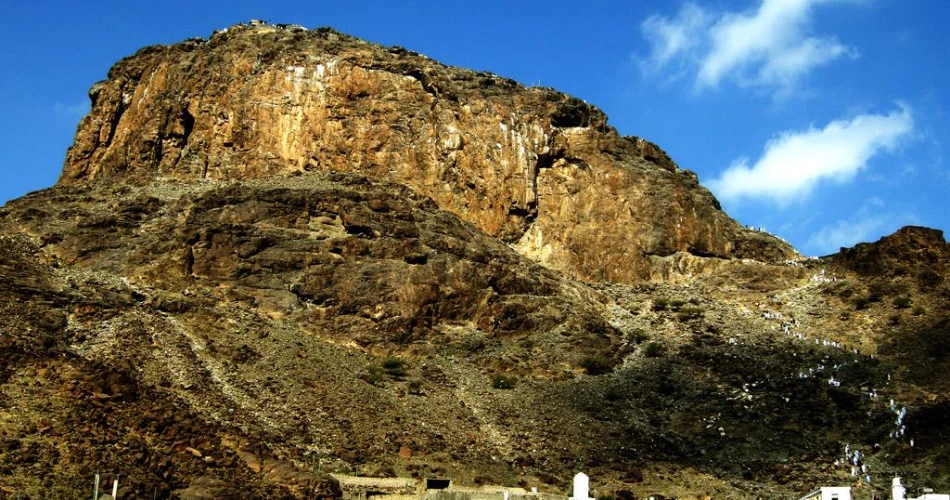
Why Masjid al Shajarah Holds Deep Meaning
Several narrations describe an event in which a tree responded to Prophet Muhammad ﷺ. One account places the incident at al-Hujun and describes the Prophet ﷺ asking Allah for a sign. It presents the event as reassurance in the face of doubts about his message.
In a narration attributed to Affan ibn Muslim, the Prophet ﷺ was at al-Hujun and called upon Allah:
“O Allah! Show me today a sign, after which I shall not care, whoever of my people might doubt me.”
The narration then describes a tree on the mountain road to Madinah. The Prophet ﷺ called it, and it came through the earth until it stood before him and greeted him.
He then told it to return, and it went back to its place. The account closes with the Prophet ﷺ saying:
“I care not now whoever of my people might doubt me.”
(Narrated in Kitab al-Ṭabaqat al-Kabir)
Another version is attributed to Sayyiduna al-Hasan ibn Ali (may Allah be pleased with him). It describes the Prophet ﷺ asking Allah for a sign in response to the concern caused by his people. The narration says he was directed to a valley where a tree stood, and told to call one of its branches:
“Go to this wadi which has a certain tree in it and call a branch of it. It will come to you.”
In this account, the Prophet ﷺ called the branch and it came towards him, splitting the ground as it moved. It stood before him for as long as Allah willed. He then instructed it to return the way it had come:
“Go back as you came,”
The branch returned, and the narration continues with the Prophet ﷺ saying:
“O Lord, now I know that I have nothing to fear.”
(Narrated in Bayhaqi)
Both narrations describe a tree or branch coming when called and returning afterwards. Their wording and details differ. The mosque’s name recalls this account, while the surrounding area connects the site with al-Hujun and other places in Makkah.
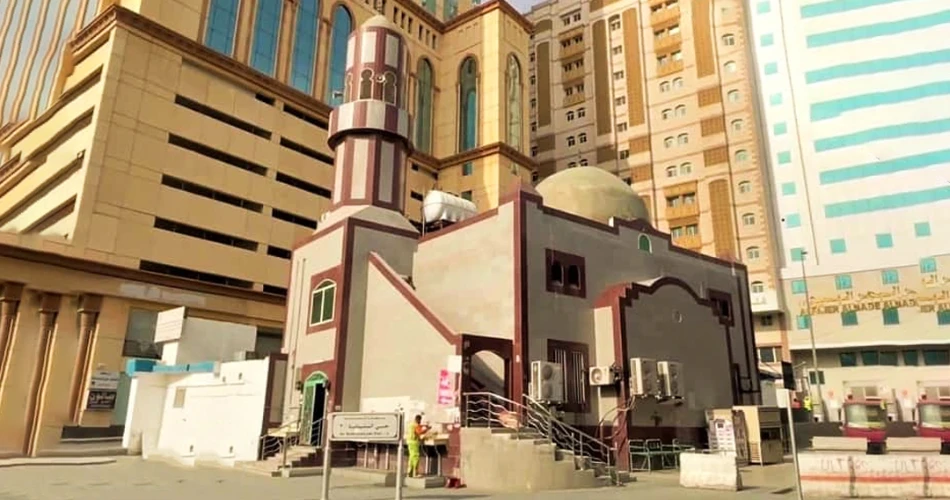
Location of the Masjid
Masjid al-Shajarah is described as being in the Ma'la district of Makkah, near Masjid al-Jinn and Jannat al-Mu'alla. Its association with the tree account and al-Hujun gives context to its location. It is distinct from Masjid Dhul-Hulayfah, despite the similarity in their names.
Masjid al-Jinn is in the al-Ghazzah area, near the al-Hajun neighbourhood and beside al-Mualla Cemetery. The mosque is also near Makkah’s second ring road. These nearby place names help describe the area around Masjid al-Shajarah. Check the route before travelling, as the places have separate names and histories.
Jannat al-Mu'alla is about 0.4 km from Masjid al-Jinn in a straight line. Masjid al-Haram is about 1.1 km from Masjid al-Jinn in a straight line. These figures describe direct distance, rather than a travel route.
Nearby hotel listings
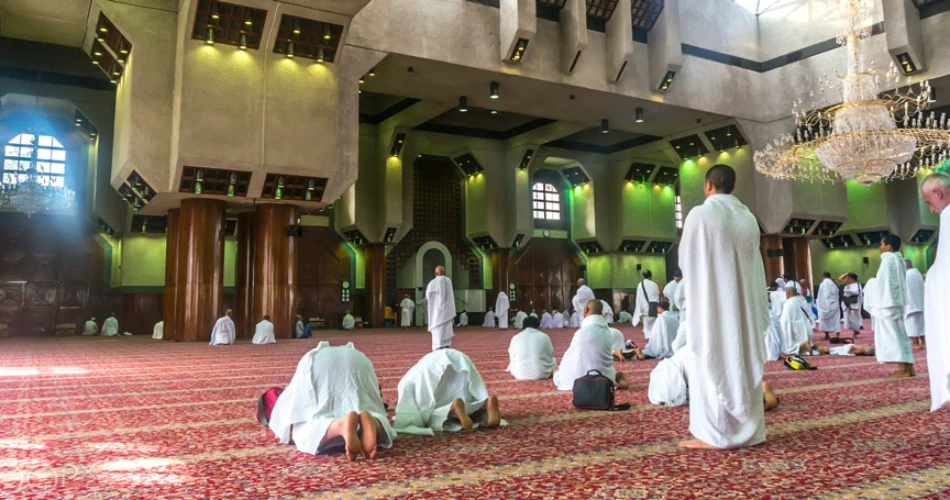
Interior of the Masjid
The mosque’s interior is not described in detail here, so specific architectural features should not be assumed. The available account focuses on the tree story and the setting near Masjid al-Jinn and Jannat al-Mu'alla.
Visitors can approach the site respectfully and consider the account associated with the mosque. The narration describes a tree responding to the Prophet ﷺ and returning to its place.
The wider area includes sites with separate histories. Masjid al-Jinn is beside al-Mualla Cemetery, while Jannat al-Mu'alla is a historic burial ground on Jabal al-Hajun. Keeping these names distinct helps visitors understand which place is being discussed when navigating between nearby sites.
Jannat al-Mu'alla is among Makkah’s historic burial grounds, and its history reaches back to before Islam. The cemetery lies in the direction of the Kaaba. Accounts identify Sayyidah Khadijah (may Allah be pleased with her) among those buried there. These details provide background to the surrounding area without confusing the cemetery’s history with the account attached to Masjid al-Shajarah.
Other Mosques
Mosques are places where Muslims gather for prayer and remembrance of Allah. They can also serve as settings for learning and community life. In Makkah, different mosques are associated with distinct events, locations and accounts, so it is useful to consider each site on its own terms.
The Qur'an says:
“And (He revealed) that the mosques are for Allah, so do not invoke with Allah anyone.”
[Surah Al-Jinn, 72:18]
Masjid al-Shajarah is associated with the tree account described above. Other mosques in Makkah have different connections. The three examples below are Masjid Aisha, Masjid Uqbah and Masjid al-Rayah. Their settings and stories give visitors context about different religious sites around the city.
When visiting more than one mosque, allow time for travel between locations and use the correct name when asking for directions. Some sites have similar names, but their histories and settings are distinct. The notes below introduce each mosque and its particular association.
Masjid Aisha (Masjid at-Tan’eem)
5.6 km from Masjid al-Haram
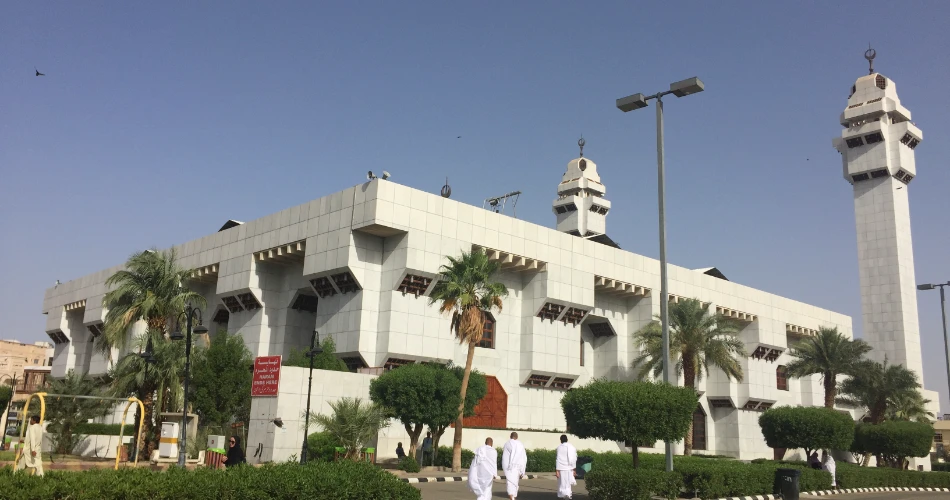
DirectionsMasjid Aisha, also known as Masjid at-Tan'eem, is about 7.5 kilometres from Makkah on the route to Madinah. It is associated with an event during the Farewell Pilgrimage.
The account says Prophet Muhammad ﷺ instructed his wife, Sayyidah Aisha (may Allah be pleased with her), to enter ihram there. People travelling from Makkah to perform Umrah often use the mosque as a place to prepare for the journey.
The mosque’s connection with Sayyidah Aisha (may Allah be pleased with her) distinguishes it from Masjid al-Shajarah, whose name recalls the tree account.
The two sites have different places in visitors’ itineraries, so checking the name when arranging a route may prevent confusion. Masjid Aisha is on the road towards Madinah, while Masjid al-Shajarah is described near Masjid al-Jinn and Jannat al-Mu'alla.
Masjid Uqbah
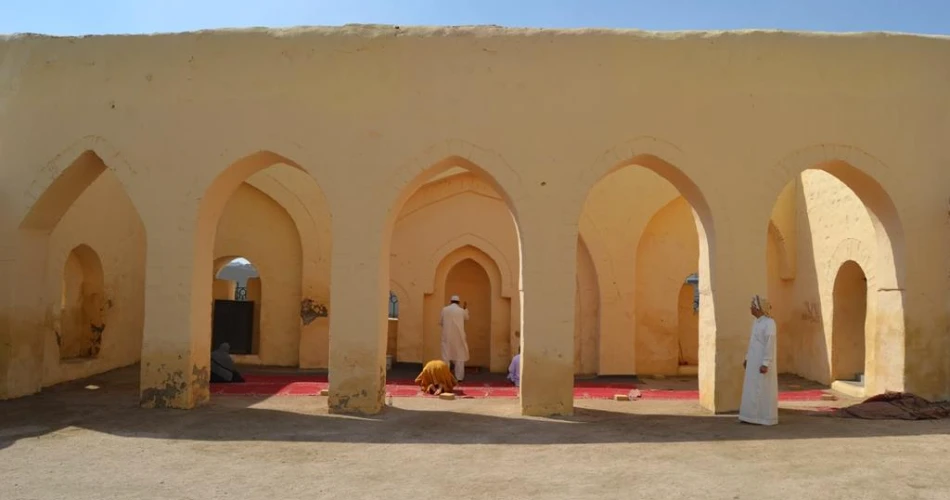
Masjid Uqbah is near Mina. It is associated with a meeting in 621 CE, when twelve leaders from the Aws and Khazraj tribes of Madinah met to pledge their support to Prophet Muhammad ﷺ. The event is known as the First Pledge of Aqabah and is connected with the early spread of Islam.
This account places the mosque within the history of the relationship between the people of Madinah and the Prophet ﷺ. It differs from the tree narration associated with Masjid al-Shajarah and the event connected with Masjid Aisha. Keeping the stories distinct helps visitors understand the separate histories linked to each site.
Masjid al-Rayah
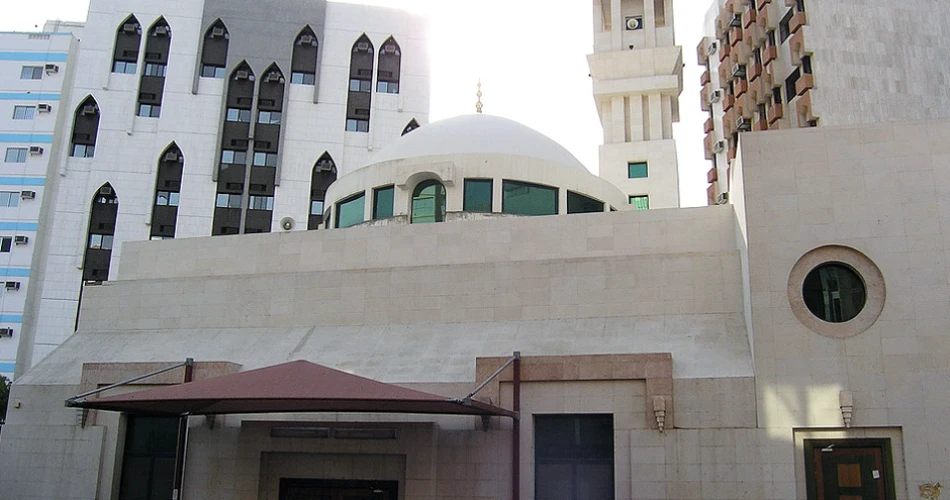
Masjid al-Rayah is associated with the site where Prophet Muhammad ﷺ planted the Islamic flag after the peaceful conquest of Makkah in 8 AH. It was also known by the informal name Masjid Jowdariyyah.
The mosque ceased to stand in 1431 AH (2009). The site is therefore described as a historical location rather than a standing mosque for visitors to enter.
The flag account connects Masjid al-Rayah with the conquest of Makkah, while Masjid Jowdariyyah is another name used for the site. Its history is separate from that of Masjid al-Shajarah, Masjid Aisha and Masjid Uqbah. These distinct stories explain why each location appears in accounts of Makkah’s religious history.