
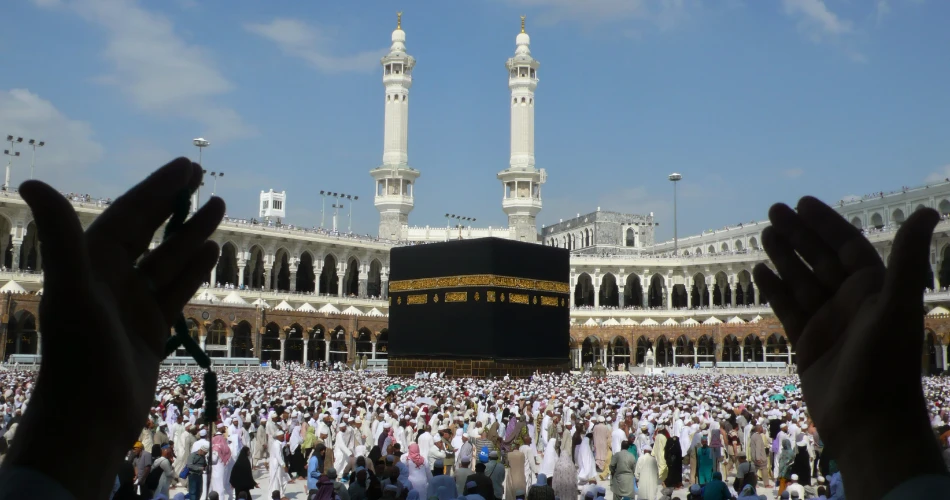
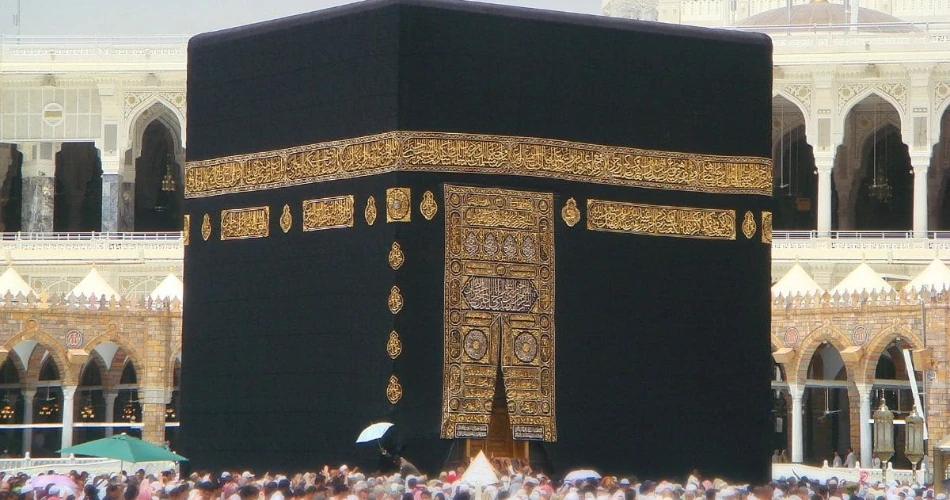
The Kaaba stands at the centre of Masjid al-Haram in Makkah, and Muslims around the world face it in prayer. Its familiar black Kiswah and gold embroidery are only part of its story. The building has been reconstructed, its shape has changed, and details of its interior and coverings have varied over time.
This guide brings together nine points about the Kaaba, from the Black Stone and Hijr Ismail to the structure’s recorded history. Some details come from religious narrations, while others describe changes to the building and its surroundings.
At a glance
4 places · swipe
 01The Existence of Two Sacred KaabasIslamic narrations describe a second sacred structure called Al-Bayt Al-Ma'mur, in the seventh heaven…
 02The Kaaba Wasn’t Always a Perfect CubeThe Kaaba’s shape has changed over time.0.1 km from Masjid al-Haram
 03The Kaaba Has Worn Many ColorsThe Kaaba is now covered by a black Kiswah embroidered with gold, but its coverings have not always been…0.1 km from Masjid al-Haram
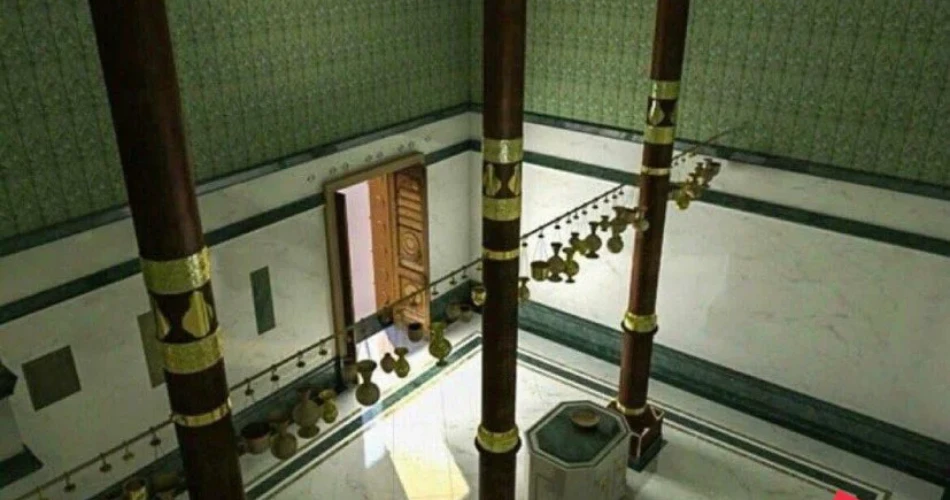 04The Interior Holds Historical PlaquesDescriptions of the Kaaba’s interior mention white marble on the inner walls and green cloth above.
The Existence of Two Sacred Kaabas
Islamic narrations describe a second sacred structure called Al-Bayt Al-Ma'mur, in the seventh heaven above the Kaaba. In the account of the Night Journey and Ascension, Prophet Muhammad ﷺ says he was shown Al-Bayt Al-Ma'mur and asked Jibreel (peace be upon him) about it.
Jibreel (peace be upon him) explained that seventy thousand angels pray there each day, and that those who have completed their turn do not return. Another group comes in their place. This account presents Al-Bayt Al-Ma'mur as a heavenly counterpart to the Kaaba on Earth.
What Is the Black Stone Made Of?
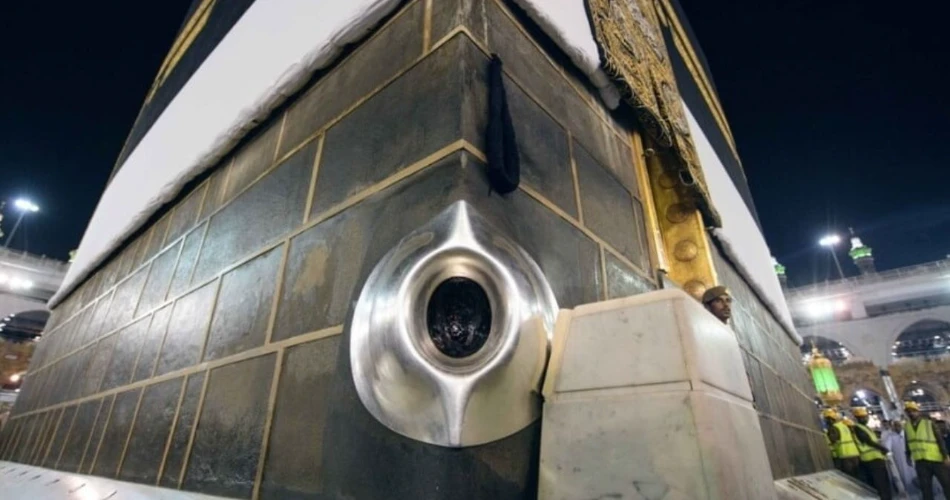
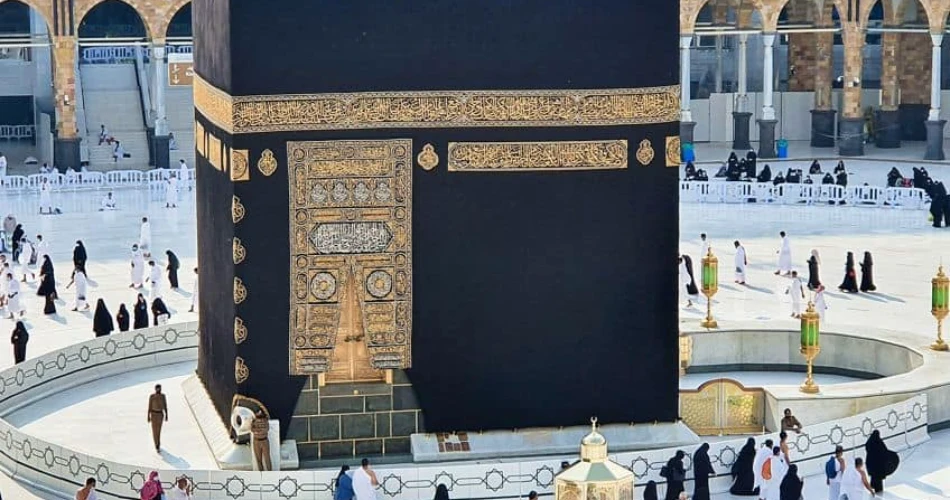
The Black Stone, known as Hajr al-Aswad, is set into the Kaaba’s southeast corner. It consists of several fragments held together and surrounded by a silver setting. Its precise material origin is not established here; suggestions have included meteorite, agate, basalt and natural glass.
For visitors performing Tawaf, the Black Stone marks the point from which each circuit begins. It is one of the Kaaba’s distinctive features, alongside the Kiswah that covers the building. Its position in the corner also makes it easy to identify when viewing the Kaaba from the Mataf.
How Old Is the Kaaba?
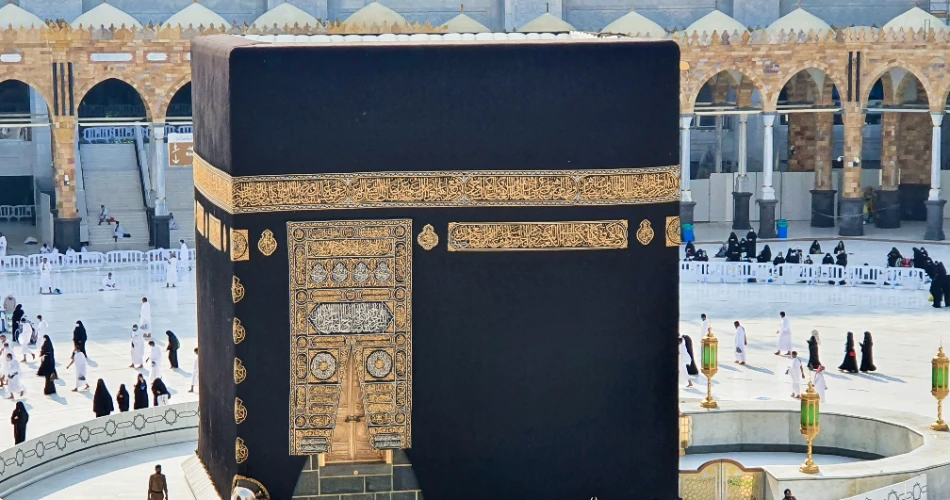
The Kaaba’s exact age is not given as a settled date. Religious accounts connect its foundations with Ibrahim (peace be upon him) and Ismail (peace be upon him), who rebuilt the House. The post’s historical account places a major reconstruction by the Quraysh in 608 AD.
The Quraysh rebuild is described as an effort to strengthen the structure and protect it from flood damage. The Kaaba has undergone further rebuilding and repair over the centuries. These changes have not altered its central place within Masjid al-Haram, where Muslims face it during prayer.
Who Can Enter the Kaaba?
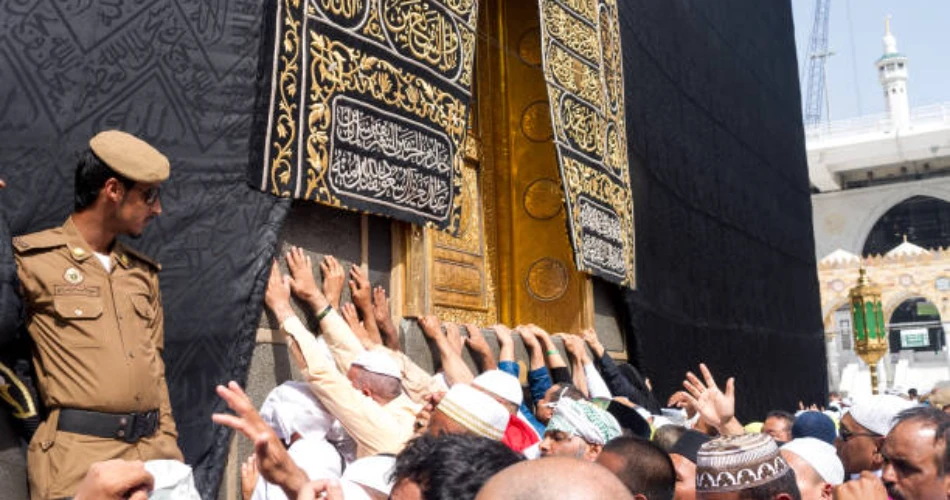
Entry to the Kaaba is limited, and most visitors see it from outside. The keys have traditionally been held by the Al-Shaibi family. The account here describes special guests, including diplomats and royal visitors, being invited inside on selected occasions.
The interior is described as having marble walls, green fabric above, three wooden pillars, and gold and silver lanterns. It also contains an ornate door known as Bab al-Tawbah.
Those inside may pray facing any direction. These details are less visible to visitors than the Kaaba’s exterior, so accounts of the interior add context to what can be seen from the Mataf.
Who Built the Kaaba?
Accounts of the Kaaba’s origins vary. Some narrations say that angels, or Adam (peace be upon him), first raised its walls. Islamic tradition describes Ibrahim (peace be upon him) and Ismail (peace be upon him) rebuilding the House after Allah commanded them to do so.
The story of Ibrahim (peace be upon him) and Ismail (peace be upon him) is part of the religious history associated with the Kaaba. It describes them working together to raise its foundations. The building has been restored and rebuilt at later points in history, leaving its present structure as one part of a much longer account.
The Kaaba Wasn’t Always a Perfect Cube
0.1 km from Masjid al-Haram
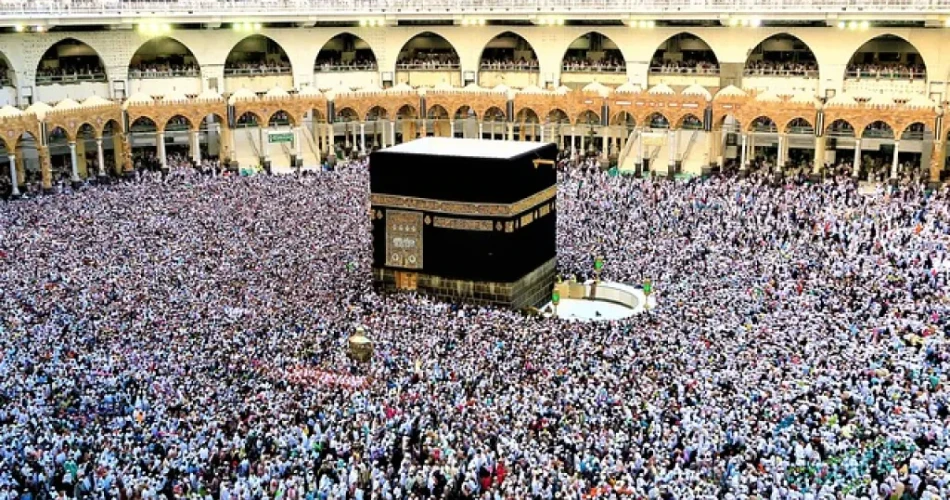
DirectionsThe Kaaba’s shape has changed over time. An extended section, known as Hijr Ismail, was once included in the building. Today, a curved wall marks the area beside the Kaaba. The Quraysh rebuild excluded this section after the tribe chose to use funds it considered lawfully earned, resulting in a shorter structure.
The Kaaba has been reconstructed more than once because of damage and political events. During his youth, Prophet Muhammad ﷺ helped settle a dispute between tribes over who would place the Black Stone. He proposed that it be carried on a shared cloth, allowing the clans to take part together.
A major renovation took place in 1996. It strengthened the structure and replaced damaged stones. The curved wall still marks the section that was outside the Quraysh building, so the Kaaba does not have a completely square footprint when viewed alongside Hijr Ismail.
The Kaaba Has Worn Many Colors
0.1 km from Masjid al-Haram
DirectionsThe Kaaba is now covered by a black Kiswah embroidered with gold, but its coverings have not always been the same colour. Historical accounts describe cloth in green, red and white, as well as black. Fabric traditions changed across different periods.
The colour and material of the covering reflect the practices of the time. The black Kiswah familiar to visitors is one chapter in that history, rather than the only covering the Kaaba has had. Its embroidery and cloth are distinct from the stone structure beneath them.
The Interior Holds Historical Plaques
Descriptions of the Kaaba’s interior mention white marble on the inner walls and green cloth above. Plaques inside commemorate repairs and renovations, and bear the names of rulers and leaders associated with work on the building.
These records provide a brief account of the care given to the Kaaba over time. Visitors can read more about historic places in Makkah in the linked guide.
A reported solar alignment is another detail associated with the Kaaba. Around May 27 and July, the sun is described as passing directly overhead at noon, leaving little or no shadow. The alignment has been used to help determine the Qibla direction from other locations. It is a seasonal observation, separate from the building’s architectural history.
These nine details offer different ways to understand the Kaaba: its religious accounts, changes to its structure and features that visitors can see from the Mataf. The Kaaba is at the centre of Masjid al-Haram, so visitors can view its exterior while moving around the mosque.