

The Makkah Museum: history and heritage
The Makkah Museum, also known as Al-Zaher Palace Museum, presents the history and heritage of the region. Its exhibitions cover natural history, prehistoric life, the city’s history, pilgrimage routes, Islamic coins and the development of the Grand Mosque’s architecture. These subjects give visitors several ways to understand Makkah’s past through its objects and buildings.
The museum is housed in Al-Zaher Palace, a building with its own changing role. The palace first served as a guest residence, then became Al-Zaher Intermediate School in 1958. It was restored and converted into a regional archaeology and heritage museum in 2006.
The museum was established by order of King Abdulaziz and occupies 3,425 square metres. The guide below outlines its history and exhibition themes. For more ideas around the city, see these things to do in the Makkah Museum and beyond.
At a glance
8 places · swipe
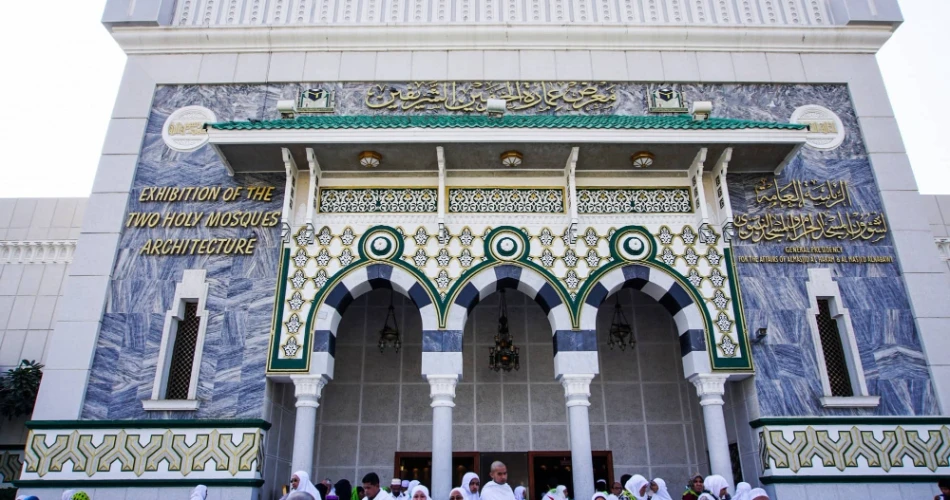 01Check out the Makkah Museum ExhibitionThe museum’s exhibitions bring together subjects that explain the region’s past.3.2 km from Masjid al-Haram
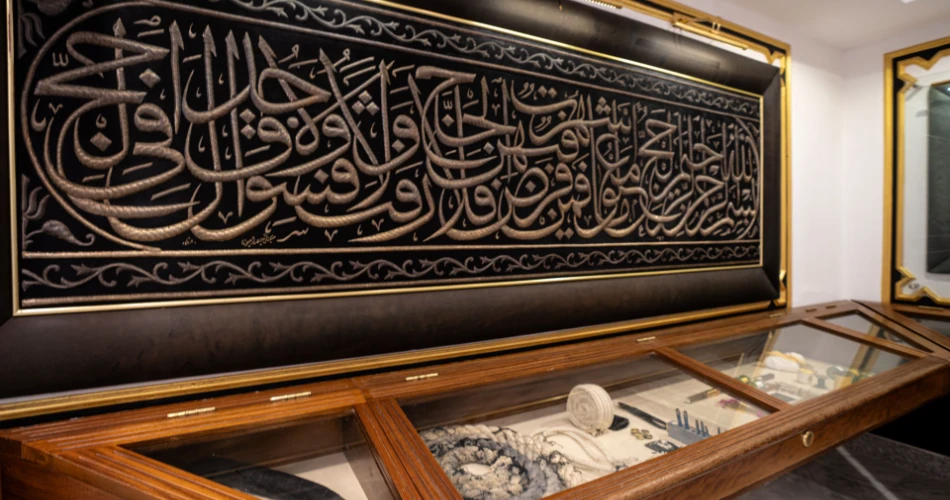 02Join the Guided ToursA guided visit can connect the subjects on display with stories behind them.
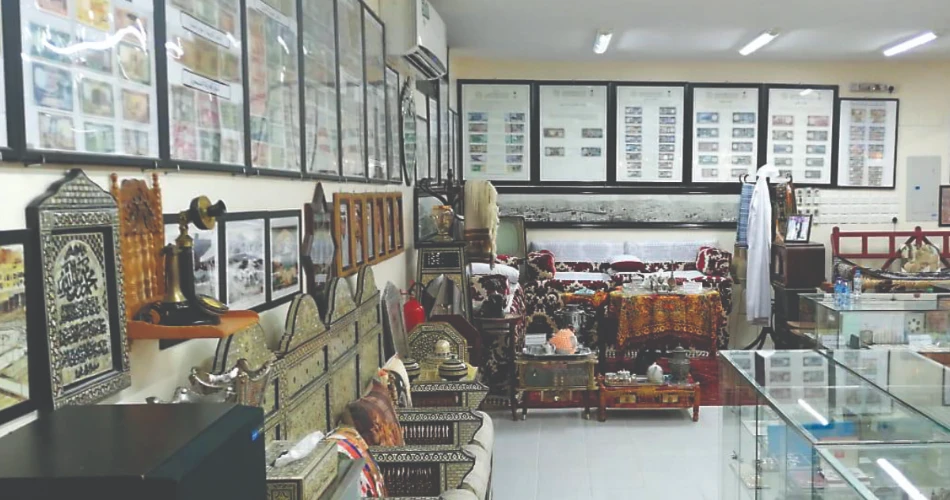 03Become a Part of Heritage WorkshopHeritage workshops are described as covering pottery-making, traditional fabric weaving and calligraphy…
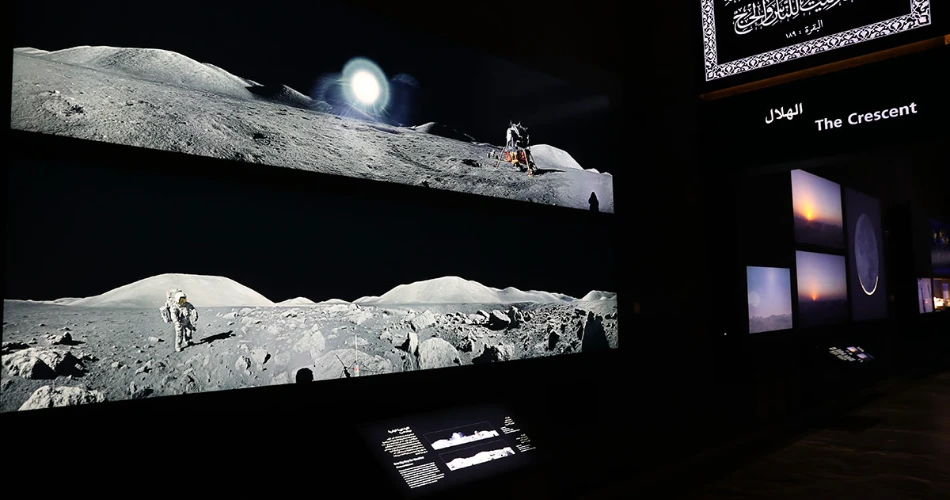 04Join the Exclusive Event of Night at the MuseumA “Night at the Museum” event is described as a chance to view the galleries after dark.
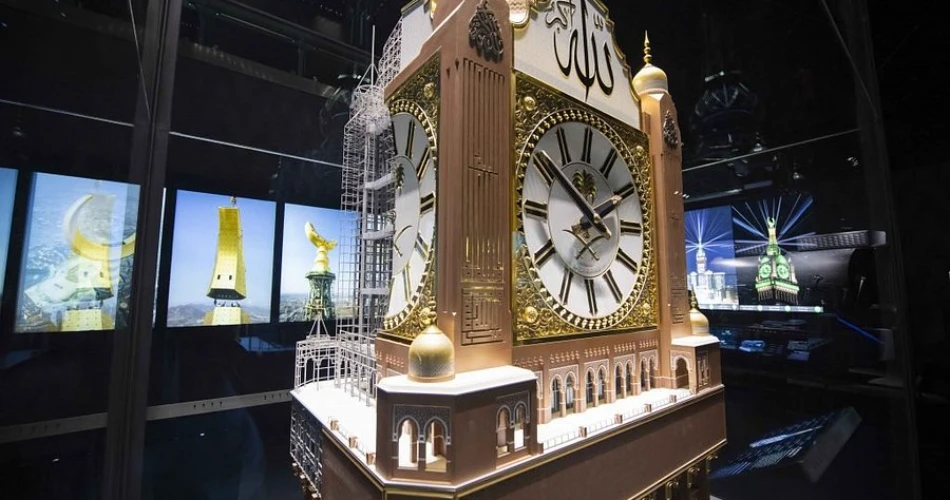 05Take a Photography WalkPhotography walks are described as a way to practise photographing the museum’s displays.
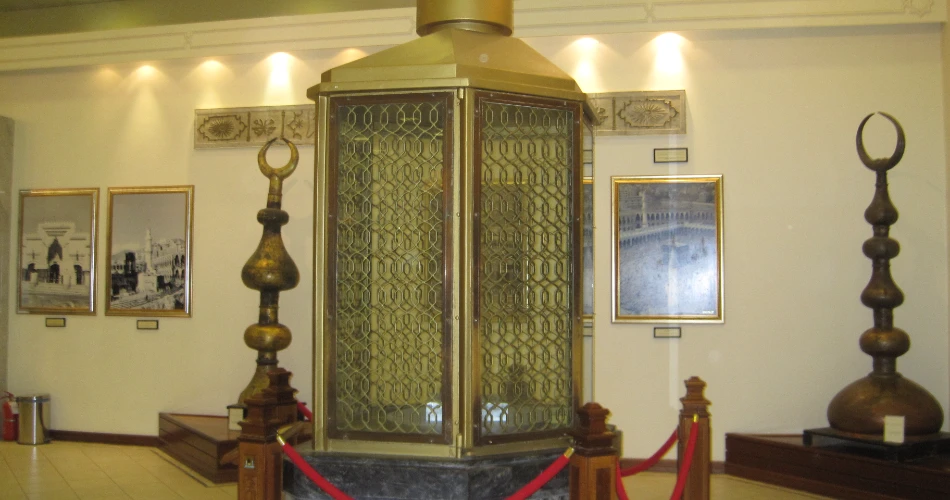 06Listen to the Islamic LecturesIslamic lectures are another activity described at the museum.
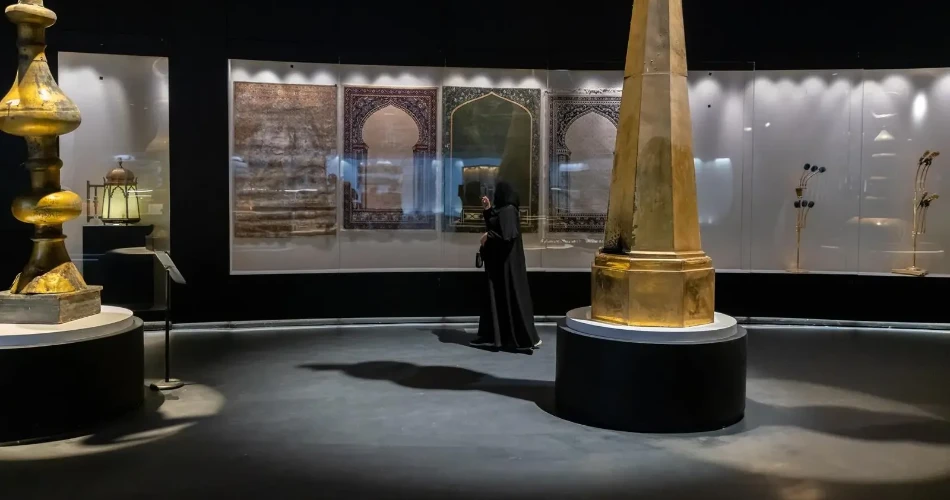 07Attend the Manuscript ExhibitManuscripts and written materials provide another way to approach Islamic history.
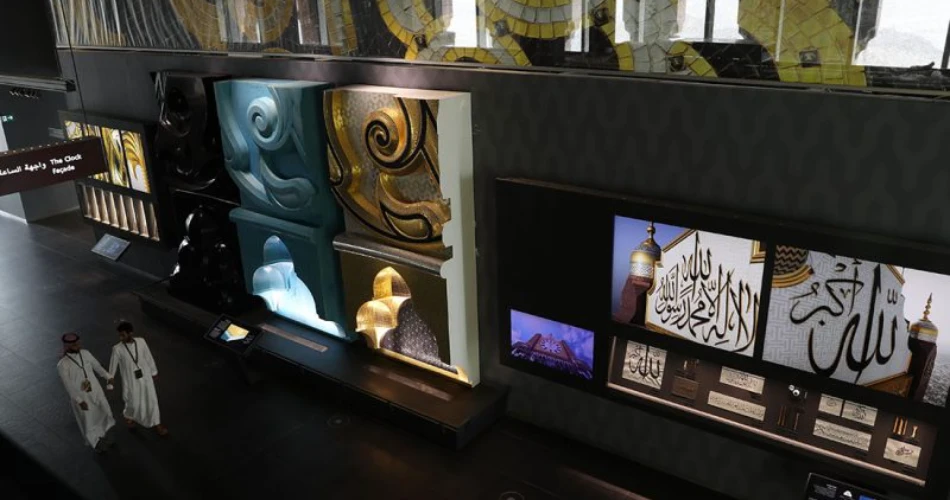 08Archeological Relic DisplayThe archaeological displays focus on material remains from the Arabian Peninsula.
Check out the Makkah Museum Exhibition
3.2 km from Masjid al-Haram
DirectionsThe museum’s exhibitions bring together subjects that explain the region’s past. Displays cover Makkah’s natural history and prehistoric life, the city’s history and its place along pilgrimage routes. Islamic coins and the development of the Grand Mosque’s architecture give visitors other ways to follow the region’s story through objects and buildings.
Take time to consider the different themes rather than focusing on one type of item. Coins offer a material perspective, while architectural displays show how the Grand Mosque developed. The museum’s regional heritage focus also gives context to its archaeology.
Read the exhibition information as you move through the galleries, connecting each subject with the history it presents. This approach suits visitors with a particular interest in the city as well as those beginning to explore its past.
Join the Guided Tours
A guided visit can connect the subjects on display with stories behind them. Guided tours are described as a way to hear about exhibits and ask questions.
If a guided tour is available during your visit, ask about its format and subjects before joining. This can make it easier to decide whether to spend more time on the city’s history, pilgrimage routes or archaeological material.
Questions can make a museum visit more focused when an exhibit introduces a topic you would like to understand better. You might ask how a display relates to Makkah’s history or how an object fits into the region’s heritage.
A tour gives visitors a different way to approach the collection than walking through the galleries independently. Whichever way you visit, leave time to read the exhibition information and look closely at the objects.
Become a Part of Heritage Workshop
Heritage workshops are described as covering pottery-making, traditional fabric weaving and calligraphy practice. These activities provide a hands-on way to consider skills and techniques connected with Saudi culture alongside the objects in the museum. They may appeal to visitors who enjoy learning through making as well as looking.
Workshop formats are described as suitable for different levels of experience, from beginners to people already familiar with a craft. If a workshop is available during your visit, check what it involves and whether materials or instructions are provided before taking part.
A practical session can give families and visitors of different ages a shared focus. The exhibition themes provide a wider setting for thinking about how objects are made and used.
Join the Exclusive Event of Night at the Museum
A “Night at the Museum” event is described as a chance to view the galleries after dark. An evening visit provides a different setting for looking at the displays and taking them in at a slower pace. The event is presented as an opportunity to engage with the museum’s Islamic heritage and reflect on its exhibits.
If this event is part of the programme during your visit, consider which exhibition themes you would like to focus on beforehand. Makkah’s history, pilgrimage routes and the development of the Grand Mosque’s architecture are useful starting points. The museum is one of the places to visit in Makkah for visitors interested in the region’s heritage and history.
Take a Photography Walk
Photography walks are described as a way to practise photographing the museum’s displays. If a walk is available, it may introduce framing, light and ways to capture an exhibit clearly. The activity is described as professionally supervised, with tips for photographing the museum and its collections.
Photography can encourage a closer look at details that might otherwise be passed over, such as an object’s shape or the arrangement of a display. Follow any instructions given at the museum about where photography is permitted and how to take pictures respectfully.
Even without joining a walk, pause to observe an exhibit before taking a photograph. Looking first brings details into focus and draws attention to how an object relates to the wider display.
Listen to the Islamic Lectures
Islamic lectures are another activity described at the museum. Sessions cover subjects such as notable figures, events in Islamic history, theology and Islamic law. Visitors interested in talks may find this format useful, while the museum’s exhibitions provide a visual and material context for some historical themes.
Lecture topics and speakers shape the experience, so check the session details if a talk is available during your visit. A lecture may prompt questions to consider as you view displays on Makkah’s history and heritage.
Taking notes is one way to remember details or subjects to revisit in the galleries. Leave time for the exhibitions too, so the talk complements a closer look at the collection.
Attend the Manuscript Exhibit
Manuscripts and written materials provide another way to approach Islamic history. Displays of Islamic literature, Qur’anic texts and documents connected with the past are described among the museum’s exhibits. Where translations and information about the manuscripts are provided, they give visitors context about a text’s contents and the period to which it belongs.
Look at both the content and physical form of a manuscript. Its writing, page layout and preservation each tell part of its story, while accompanying information can place it in context.
These displays also draw attention to the role of written works in passing knowledge between generations. Allow time to read the labels, including any translation or explanation, and consider how the written material relates to the museum’s wider presentation of regional history.
Archeological Relic Display
The archaeological displays focus on material remains from the Arabian Peninsula. The collection includes pottery, coins, tools and inscriptions, as well as objects connected with daily life and trade.
These items invite visitors to consider how people lived and worked in earlier societies. The museum’s wider coverage of Makkah’s history and heritage provides a broader setting for the archaeological material.
Compare the different kinds of objects and the information provided with each one. A coin, a tool and an inscription preserve different details about earlier life. Read the display text for context and notice how the objects are arranged. For further information about the museum, see the Makkah Museum page.