

Makkah is the birthplace of Prophet Muhammad ﷺ and welcomes pilgrims and visitors from many parts of the world. Its food reflects a mix of Saudi and wider regional influences, including Arabic, Indian, Turkish and African cooking. The city’s varied food traditions are connected with its history as a place visited by people from different regions.
Many dishes bring together rice, meat, wheat or beans, with spices and sauces adding flavour. Some are served for sharing, while others make a filling breakfast or snack. This guide introduces dishes to look for, from Kabsa and Mandi to samosas. For more local dining ideas, see this guide to food in Makkah.
Kabsa
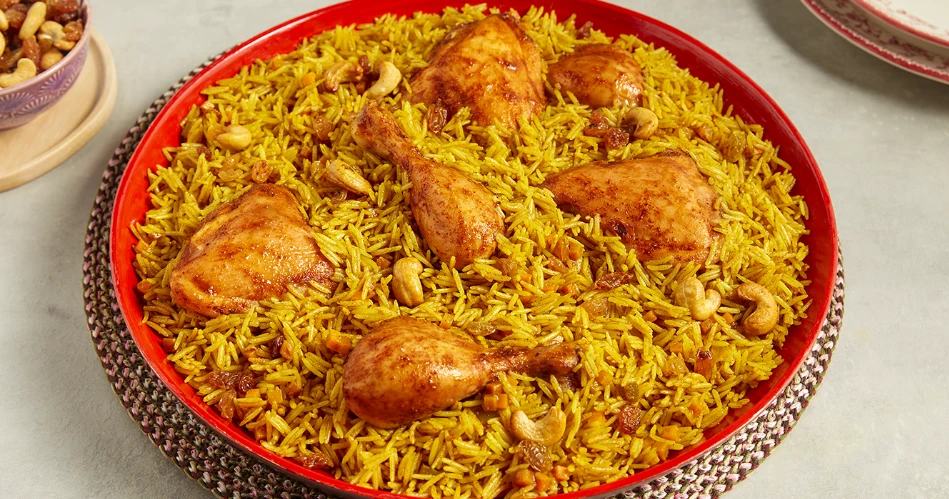
Kabsa brings rice, meat and a blend of spices together in one dish. It is commonly made with chicken or lamb, and may also be prepared with camel. The ingredients cook together, allowing the rice to take on flavour from the meat and seasoning.
Kabsa is often served on a large platter for sharing, with salad and a spicy sauce on the side. This makes it a fitting choice for a group meal, though it can also suit anyone looking for a substantial rice dish. The accompaniments let diners add freshness or extra heat to each serving.
Where to Eat:
Shawarma Time and Al Baik are named as places to try Kabsa. Check what is available when choosing a dish.
Mandi
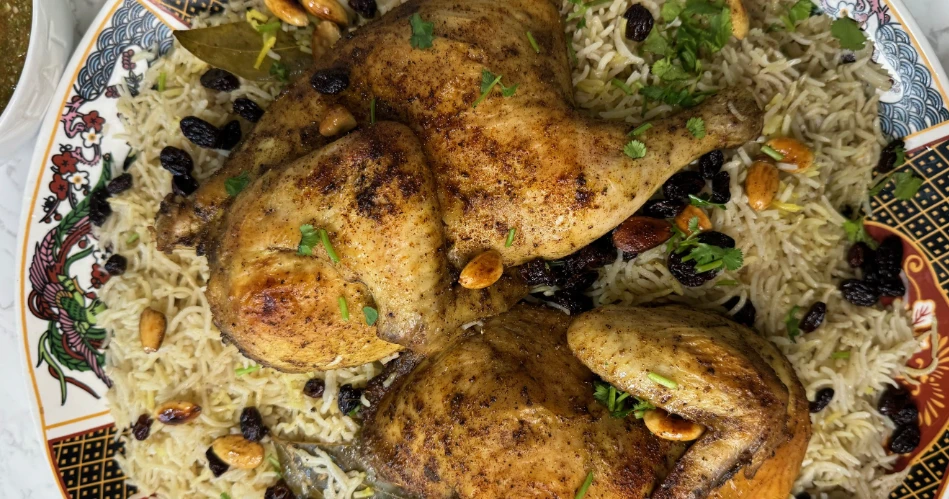
Mandi is a rice-and-meat dish known for its aromatic seasoning. It is usually prepared with basmati rice and chicken or lamb. Cloves, cardamom and saffron are among the spices used in some versions, giving the rice fragrance and colour.
The meat cooks over the rice, allowing its flavour to mingle with the other ingredients. Mandi is often served with yoghurt or a tangy tomato sauce. These sides add contrast to the warmly spiced rice, and the dish can be shared with family or friends.
Where to Eat:
Al-Mandi and Al-Haramain are named as places serving Mandi. Consider it for a filling meal centred on rice and tender meat.
Harees
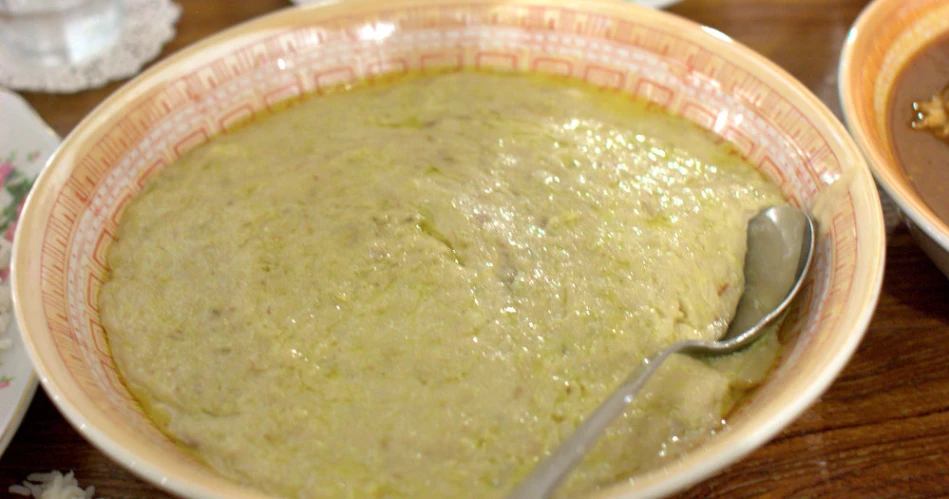
Harees combines wheat and meat in a slow-cooked dish with a smooth, creamy consistency. The wheat is finely ground, and lamb or chicken is commonly used. As the ingredients cook together, they become soft and thick.
Harees is associated with special occasions and family gatherings, including Ramadan and Eid. Its mild, filling character suits a shared meal and makes it a change from a plate of rice. The dish is seasoned for flavour, while wheat and meat remain its defining ingredients.
Where to Eat:
Al Shorba Restaurant and Al-Najdiyah Village are named as places to try Harees. Ask whether it is available when you visit.
Biryani
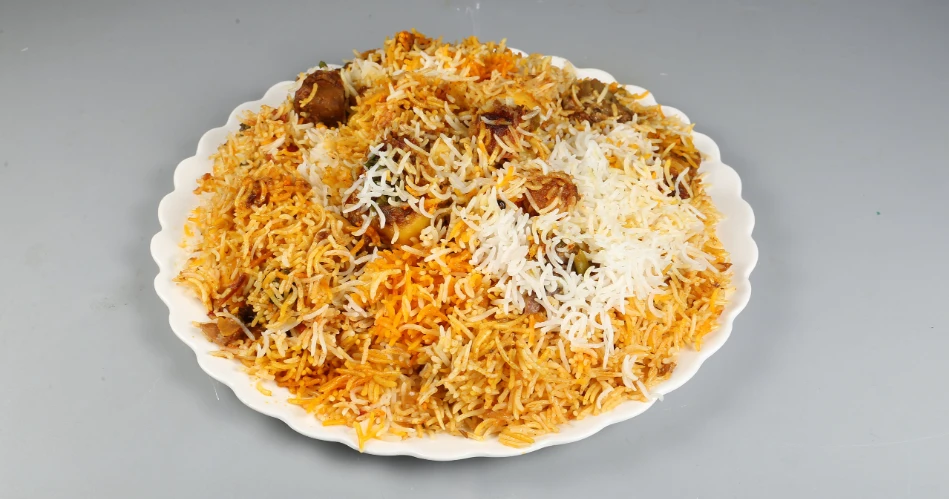
Biryani is a spiced rice dish associated with South Asian cooking. In Makkah, visitors may find Pakistani-style versions made with fragrant basmati rice and chicken, beef or mutton. The spices give the dish a pronounced flavour, while the meat makes it substantial.
Recipes vary, so the heat and seasoning can differ from one plate to another. Biryani suits diners who enjoy richly seasoned rice and want a change from dishes such as Kabsa or Mandi. If you prefer milder food, ask about the spice level before ordering.
Where to Eat:
Biryani House Makkah and Karachi Darbar are named as places serving biryani.
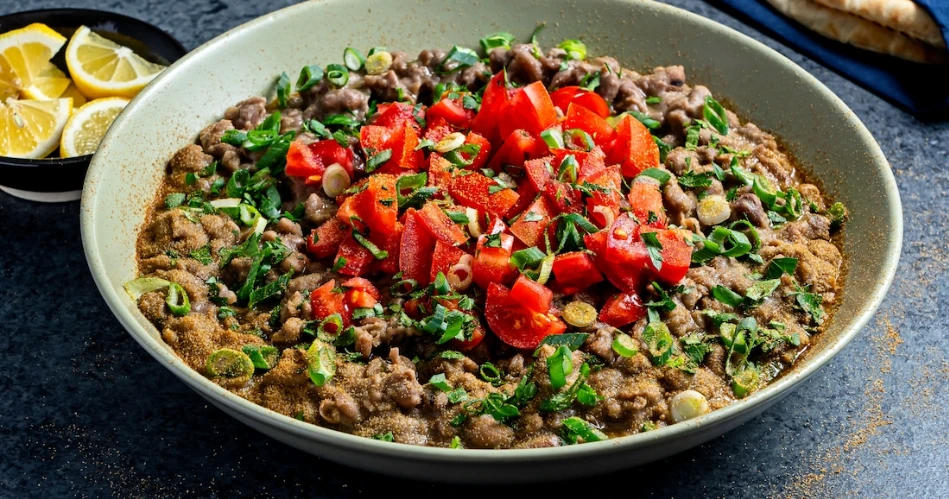
Ful Medames
Ful medames is made with fava beans cooked with garlic, olive oil and spices. It is often eaten for breakfast and makes a filling start to the day. The beans are served warm and commonly accompanied by flatbread.
Lemon juice, chopped tomatoes and fresh herbs can add brightness and texture. The toppings can be mixed through the beans, or the bread can be used to scoop them up. Based on beans rather than meat, ful medames is a savoury option with simple, substantial ingredients.
Where to Eat:
Al-Mahrous and Al Khodariyya are named as places to try ful medames. Ask whether it is served at breakfast.
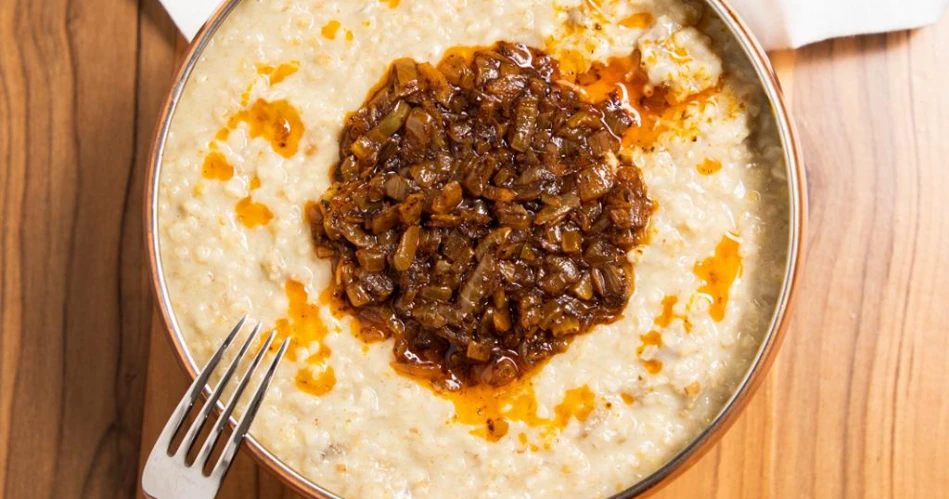
Jareesh
Jareesh is made by cooking crushed wheat with meat until the mixture is soft and smooth, often with a porridge-like consistency. Spices season the dish, while the wheat gives it a hearty texture. It is a familiar home-style meal and may be served at festive gatherings.
Yoghurt and fresh salad can accompany Jareesh, adding coolness and contrast to the warm, soft grain. It is a filling choice if you want something different from the separate grains of Kabsa or Mandi. The combination of wheat and meat gives the dish its distinctive texture.
Where to Eat:
Al-Masmak Restaurant and Abdul Wahab Restaurant are named as places serving Jareesh.
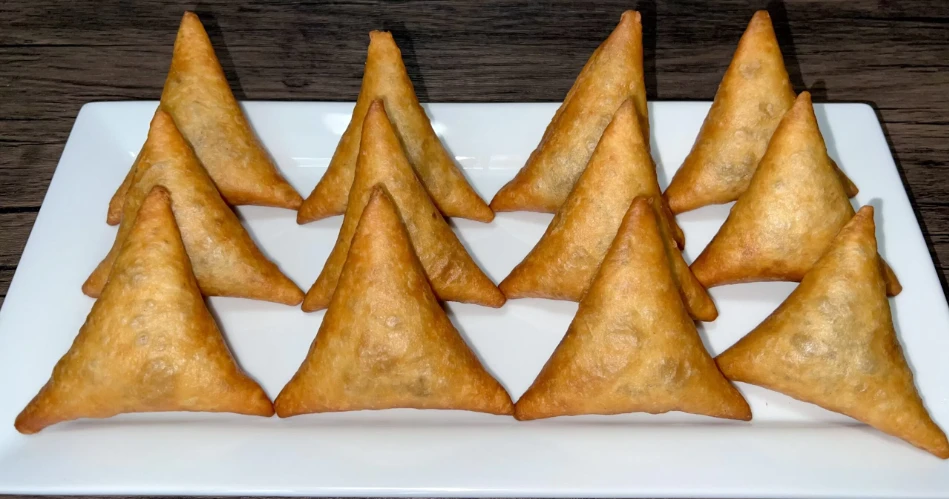
Samosas
Samosas are crisp pastries with savoury fillings. Common options include lentils, minced beef and spiced vegetables. Their small size makes them easy to enjoy as a snack or as a starter before a larger meal.
They are often served with spicy chutney or tangy tamarind sauce for dipping. Fillings and seasoning vary, so samosas can taste different from one place to another. At a shared meal, they provide a crisp contrast to rice- and wheat-based dishes.
Where to Eat:
Al Karam Restaurant and Abdul Rahman Al-Harithy are named as places to try samosas.